


Table of contents15 sections · tap to expandShowHide
The connection between the gut and the brain is one of the most important — and least understood — relationships in human health. Long before modern science caught up, researchers suspected that digestion and mental state were closely linked. Today, research from Harvard Medical School, the National Institutes of Health, the American Psychological Association, and Stanford University confirms that the gut and brain are in constant communication.
This communication influences mood, stress response, anxiety levels, focus, and even emotional resilience. Understanding the gut-brain connection helps explain why digestive issues often accompany mental health challenges — and why supporting gut health can positively affect the mind.
If you are exploring mental wellness from a whole-body perspective, you may also find this helpful:
Foods That Are Linked to Better Mood and Energy
What Is the Gut-Brain Connection?
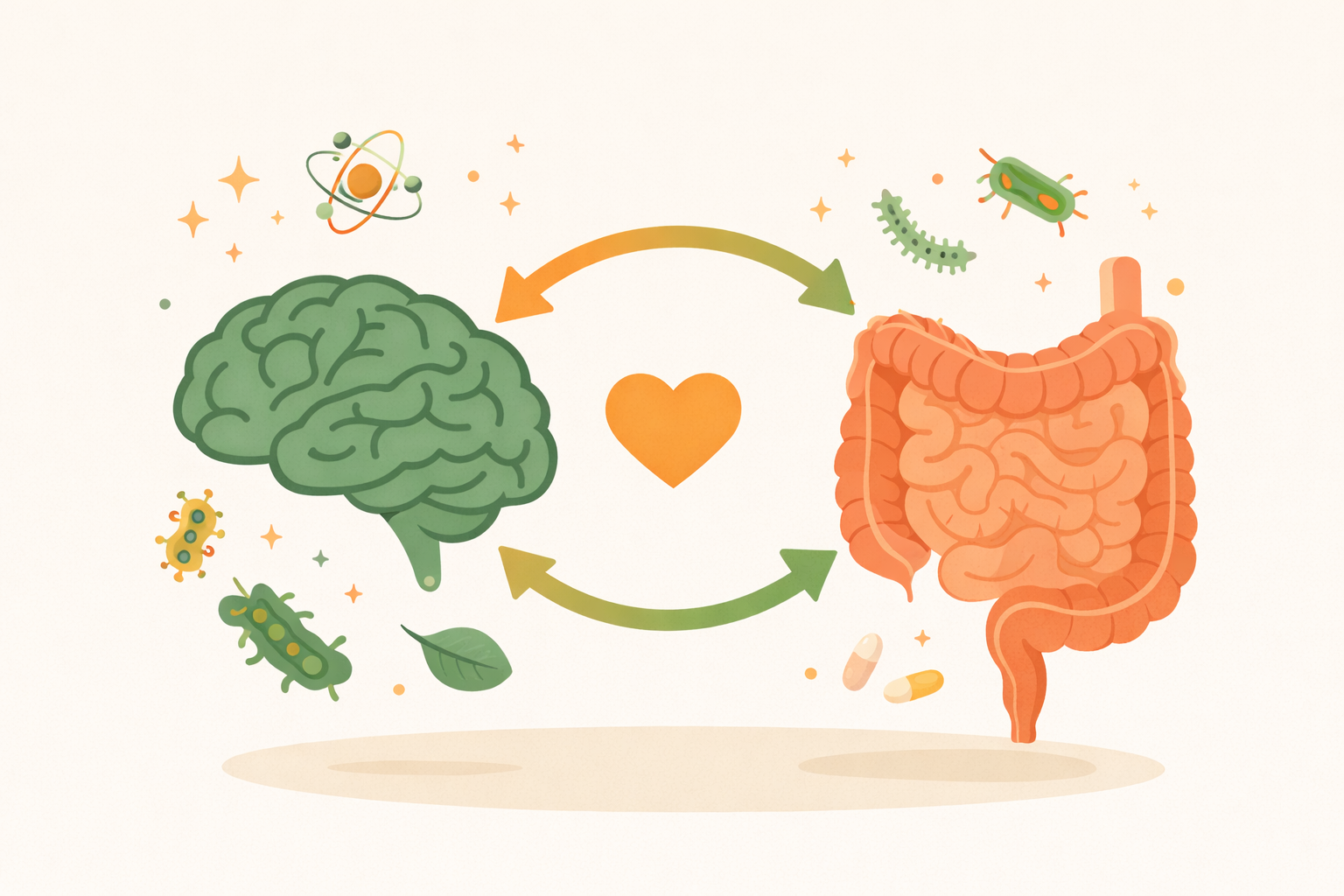
The gut-brain connection refers to the bidirectional communication network between the gastrointestinal system and the central nervous system. This system is often called the gut-brain axis.
The gut is sometimes referred to as the “second brain” because it contains the enteric nervous system — a complex network of over 100 million neurons embedded in the digestive tract.
This network communicates with the brain through:
- the vagus nerve
- neurotransmitters
- hormones
- immune system signaling
These pathways allow the gut and brain to influence each other continuously.
The Role of the Vagus Nerve
The vagus nerve is one of the primary communication highways between the gut and the brain. It carries signals in both directions — from the brain to the gut and from the gut back to the brain.
Harvard research shows that vagal tone (how effectively the vagus nerve functions) is closely linked to emotional regulation and stress resilience.
When gut signals indicate distress — such as inflammation or imbalance — the brain often responds with anxiety, irritability, or low mood.
For nervous system regulation, explore:
Breathing Patterns to Calm an Anxious Mind
The Gut Microbiome and Mental Health
The gut microbiome consists of trillions of bacteria and microorganisms living in the digestive tract. These microbes play a crucial role in digestion, immunity, and brain signaling.
NIH-supported studies show that gut bacteria influence the production of neurotransmitters such as serotonin, dopamine, and GABA.
In fact, approximately 90% of the body’s serotonin is produced in the gut.
This explains why gut imbalance is often associated with:
- anxiety
- low mood
- brain fog
- irritability
How Stress Affects the Gut
Stress doesn’t just affect the mind — it directly impacts digestion.
When stress activates the sympathetic nervous system, digestion slows, blood flow shifts away from the gut, and gut motility changes.
APA research shows that chronic stress alters gut permeability and microbiome composition.
This is why people often experience digestive symptoms during prolonged stress.
For a deeper look at stress physiology, see:
The Stress Response: How It Works & What Helps
Inflammation and the Gut-Brain Axis
Gut inflammation triggers immune responses that send inflammatory signals to the brain.
Stanford research shows that systemic inflammation is linked to changes in mood, motivation, and cognitive clarity.
Low-grade inflammation in the gut has been associated with:
- depressive symptoms
- fatigue
- difficulty concentrating
Gut Health and Anxiety
Anxiety and gut symptoms frequently appear together. This is not coincidence.
The brain interprets gut discomfort as a potential threat, amplifying anxious responses.
NIH research shows that improving gut balance can reduce anxiety symptoms in some individuals.
For anxiety-focused insights, see:
How Some People Cope With Anxiety Without Medication
Gut-Brain Connection and Brain Fog
Brain fog — difficulty focusing, mental fatigue, and slowed thinking — is often linked to digestive imbalance.
When gut inflammation or dysbiosis occurs, inflammatory markers can cross the blood-brain barrier.
This disrupts cognitive clarity.
Explore cognitive symptoms further:
Brain Fog Explained: Causes & Relief
The Role of Diet in the Gut-Brain Connection
Diet shapes the microbiome more than any other factor.
Harvard studies show that fiber-rich, plant-forward diets support microbial diversity, which is associated with better mental health outcomes.
Foods that support gut-brain health include:
- fermented foods
- fiber-rich vegetables
- whole grains
- healthy fats
Explore nutrition and mood here:
Foods That Are Linked to Better Mood and Energy
How Sugar Affects the Gut-Brain Axis
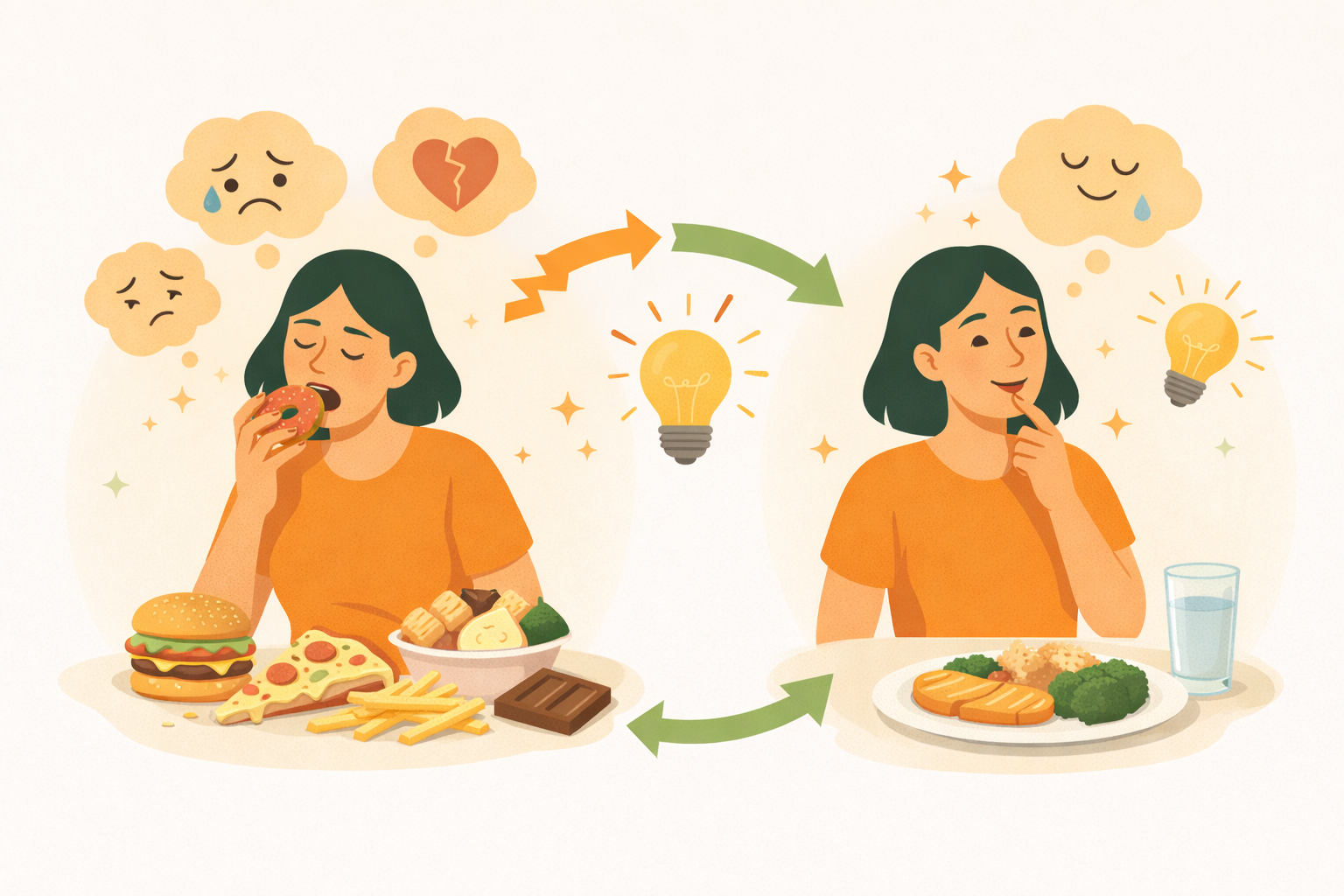
Excess sugar disrupts gut bacteria balance and increases inflammation.
NIH research links high sugar intake to microbial imbalance and mood instability.
Learn more here:
How Sugar Affects Your Mental State
Sleep and the Gut-Brain Connection
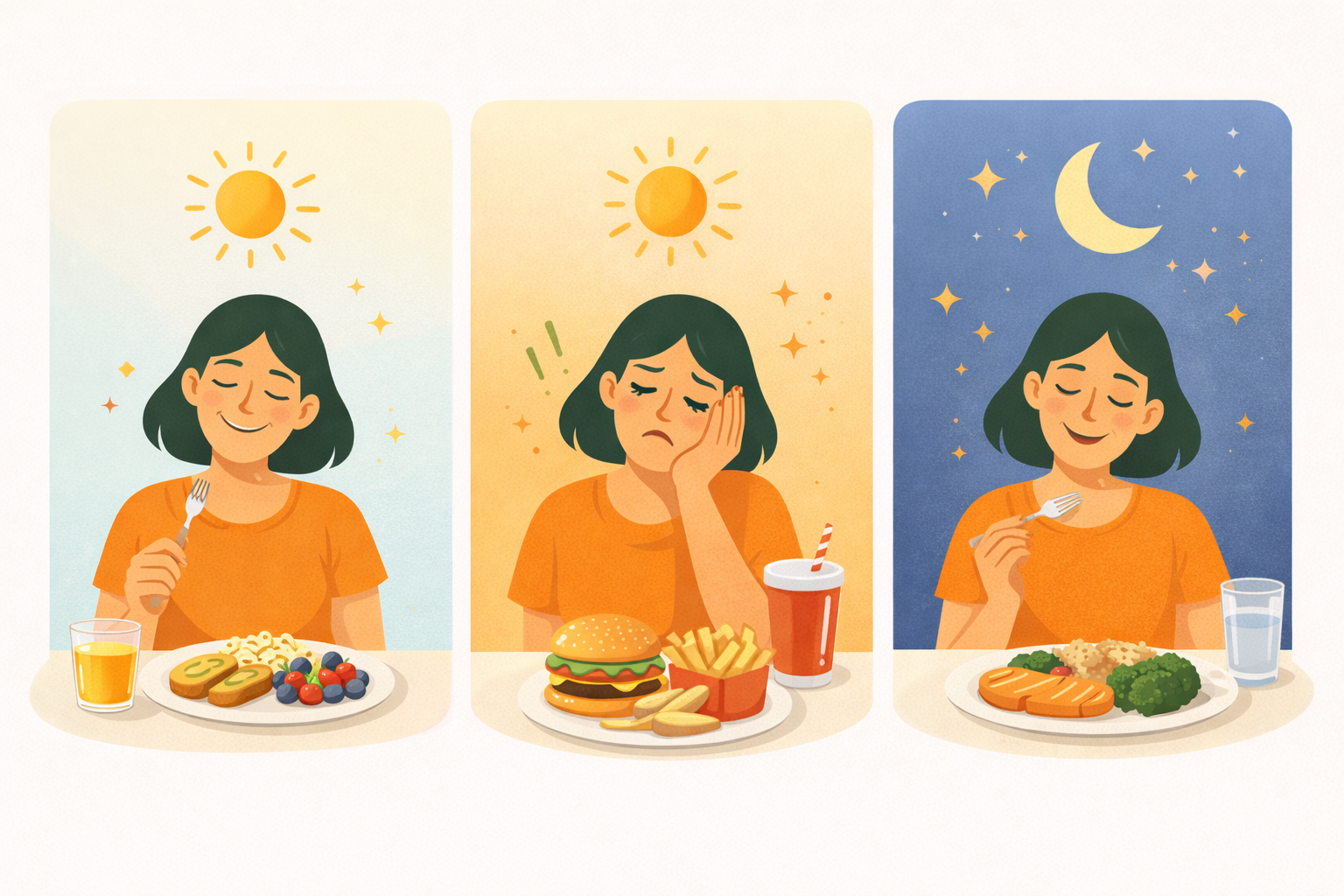
Sleep deprivation alters gut microbiome composition.
Stanford research shows that disrupted sleep increases gut permeability and inflammatory signaling.
This creates a feedback loop affecting mood and stress tolerance.
Explore sleep strategies:
Sleep Hygiene Tips for a More Restful Night
Mindfulness and Gut-Brain Communication
Mindfulness practices influence the gut-brain axis by regulating stress responses.
NIH research shows mindfulness reduces gut-related stress symptoms and improves digestive comfort.
Mindfulness helps by:
- lowering cortisol
- improving vagal tone
- reducing gut sensitivity
Explore mindfulness tools:
Daily Mindfulness Prompts
Supporting the Gut-Brain Connection Naturally
Supporting gut-brain health involves consistent, gentle habits rather than extreme interventions.
Helpful strategies include:
- regular meals
- stress management
- adequate sleep
- mindful eating
- balanced nutrition
Common Myths About the Gut-Brain Connection
- Myth: Gut health only affects digestion
Reality: It strongly affects mood and cognition - Myth: Probiotics solve everything
Reality: Overall lifestyle matters more - Myth: Stress is only mental
Reality: Stress is deeply physical
When to Seek Professional Guidance
Persistent digestive symptoms, anxiety, or mood changes should be discussed with a healthcare professional.
The gut-brain connection is complex and individual.
Final Thoughts
The gut-brain connection explains why mental and digestive health are inseparable. The gut communicates constantly with the brain, shaping mood, stress response, and cognitive clarity.
Supporting this connection through nutrition, stress management, sleep, and mindfulness helps create a more balanced mental state.
Rather than treating the mind and body separately, understanding the gut-brain axis encourages a more integrated approach to wellbeing.
More holistic wellness guides from MindBloomDaily:
How Nature Exposure Affects Your Brain
The Link Between Gut Health and Anxiety
For people who care too much
A five-minute refresh, every day.
If this gave you a moment of calm, MindBloom Pro sends ten small positive things to your dashboard each morning — chosen for the family life you're actually living.
Discussion
Comments
Sign in to join the conversation.
Sign inLoading comments…