


Table of contents19 sections · tap to expandShowHide
Trust is the foundation of every healthy relationship. Whether between partners, friends, family members, or colleagues, trust determines how safe, connected, and secure people feel with one another. Without trust, communication weakens, emotional distance grows, and relationships become fragile. Research from Harvard Medical School, the American Psychological Association, the National Institutes of Health, and Stanford University shows that trust is built through consistent behaviors rather than grand gestures.
Trust does not appear instantly. It grows slowly through everyday actions that signal reliability, care, and emotional safety. These actions—often small and repeated—form habits that strengthen relationships over time.
If you’re exploring healthy communication and emotional connection, you may also find this helpful:
The Role of Empathy in Relationships
What Is Trust in Relationships?
Trust is the belief that another person is reliable, honest, and emotionally safe. Psychologically, trust allows individuals to relax their defenses and engage authentically.
APA research defines trust as a willingness to be vulnerable based on positive expectations of another person’s intentions or behavior.
Without trust, vulnerability feels dangerous. With trust, connection becomes possible.
Why Trust Is So Important
Trust supports emotional regulation, communication, and long-term stability.
Research shows that high-trust relationships are associated with:
- greater relationship satisfaction
- lower stress levels
- better conflict resolution
- stronger emotional bonds
When trust is present, people feel safe expressing needs and emotions.
Trust Is Built Through Habits, Not Promises
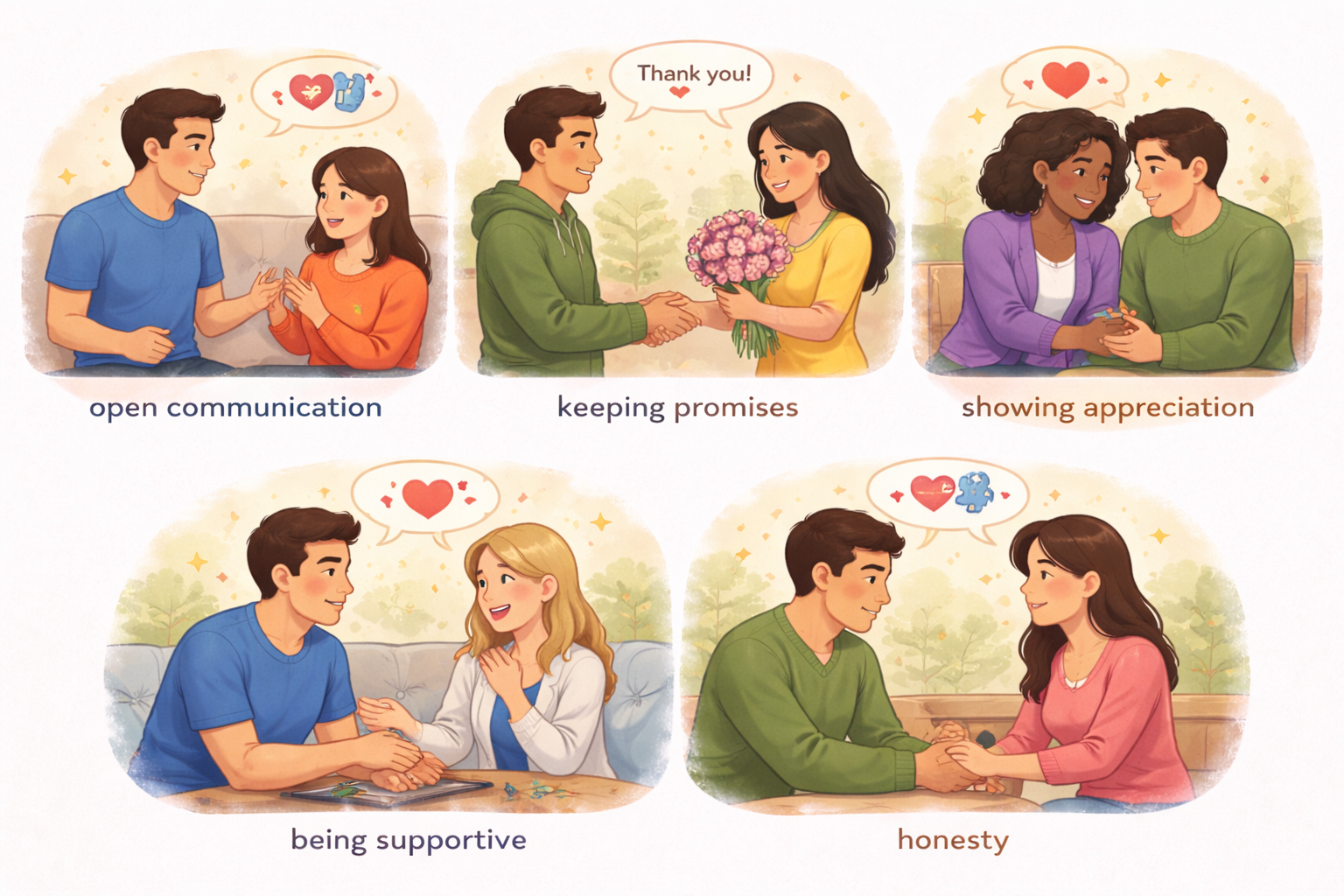
Trust is not created by words alone. It is built through repeated behaviors that align with stated values.
Harvard research emphasizes that consistency is one of the strongest predictors of trust.
Small actions—kept commitments, honest communication, emotional responsiveness—matter more than occasional grand gestures.
Habit 1: Consistency in Words and Actions
Consistency builds predictability.
When actions align with words, people feel secure.
Inconsistent behavior creates uncertainty and doubt, even when intentions are good.
Consistency signals reliability.
Habit 2: Honest and Clear Communication
Trust thrives on honesty.
Clear communication prevents misunderstandings and reduces assumptions.
APA research links open communication to higher levels of relational trust.
This includes:
- sharing thoughts openly
- expressing needs respectfully
- being transparent about intentions
Related reading:
Assertive vs. Aggressive Communication
Habit 3: Listening With Presence
Being heard builds trust.
Mindful listening communicates respect and care.
Stanford research shows that feeling listened to activates brain regions associated with safety and social bonding.
Listening habits that build trust include:
- not interrupting
- reflecting back what you hear
- maintaining attention
Explore listening skills here:
Listening Skills That Improve Connection
Habit 4: Emotional Availability
Trust grows when people feel emotionally supported.
Emotional availability means being present during both positive and difficult moments.
NIH research shows that emotional support reduces stress and strengthens interpersonal bonds.
It involves empathy, validation, and responsiveness.
Habit 5: Respecting Boundaries
Boundaries protect emotional safety.
Respecting boundaries signals trustworthiness.
Ignoring or dismissing boundaries erodes trust quickly.
Learn more about boundaries here:
How to Set Boundaries Without Guilt
Habit 6: Taking Responsibility for Mistakes
Trust is not about perfection—it’s about repair.
Owning mistakes and apologizing sincerely rebuilds trust.
APA research shows that accountability strengthens relational resilience.
Defensiveness, by contrast, damages trust.
Habit 7: Practicing Empathy
Empathy allows people to feel understood.
It helps bridge emotional gaps and reduces conflict.
Empathy signals that feelings matter.
Explore empathy in depth:
The Role of Empathy in Relationships
Habit 8: Reliability During Stress
Trust is tested during difficult moments.
Showing up during stress strengthens confidence in the relationship.
Reliability during challenges builds deep trust.
Habit 9: Mindful Conflict Resolution
Conflict handled mindfully can strengthen trust.
Respectful disagreement shows commitment to understanding.
Explore conflict strategies here:
Handling Conflict Mindfully
Habit 10: Following Through on Commitments
Kept commitments reinforce reliability.
Even small follow-through matters.
Broken promises, especially repeated ones, undermine trust.
Trust and Emotional Safety
Emotional safety allows vulnerability.
When trust exists, people feel free to express thoughts and emotions without fear.
This safety deepens connection.
Rebuilding Trust After It’s Been Broken
Trust can be rebuilt, but it requires patience and consistency.
Rebuilding trust involves:
- acknowledging harm
- consistent repair actions
- open communication
Time and behavior—not words alone—restore trust.
Common Myths About Trust
- Myth: Trust should come easily
Reality: Trust is built gradually - Myth: One mistake destroys trust forever
Reality: Repair is possible with effort - Myth: Trust means no boundaries
Reality: Boundaries protect trust
Daily Practices That Strengthen Trust
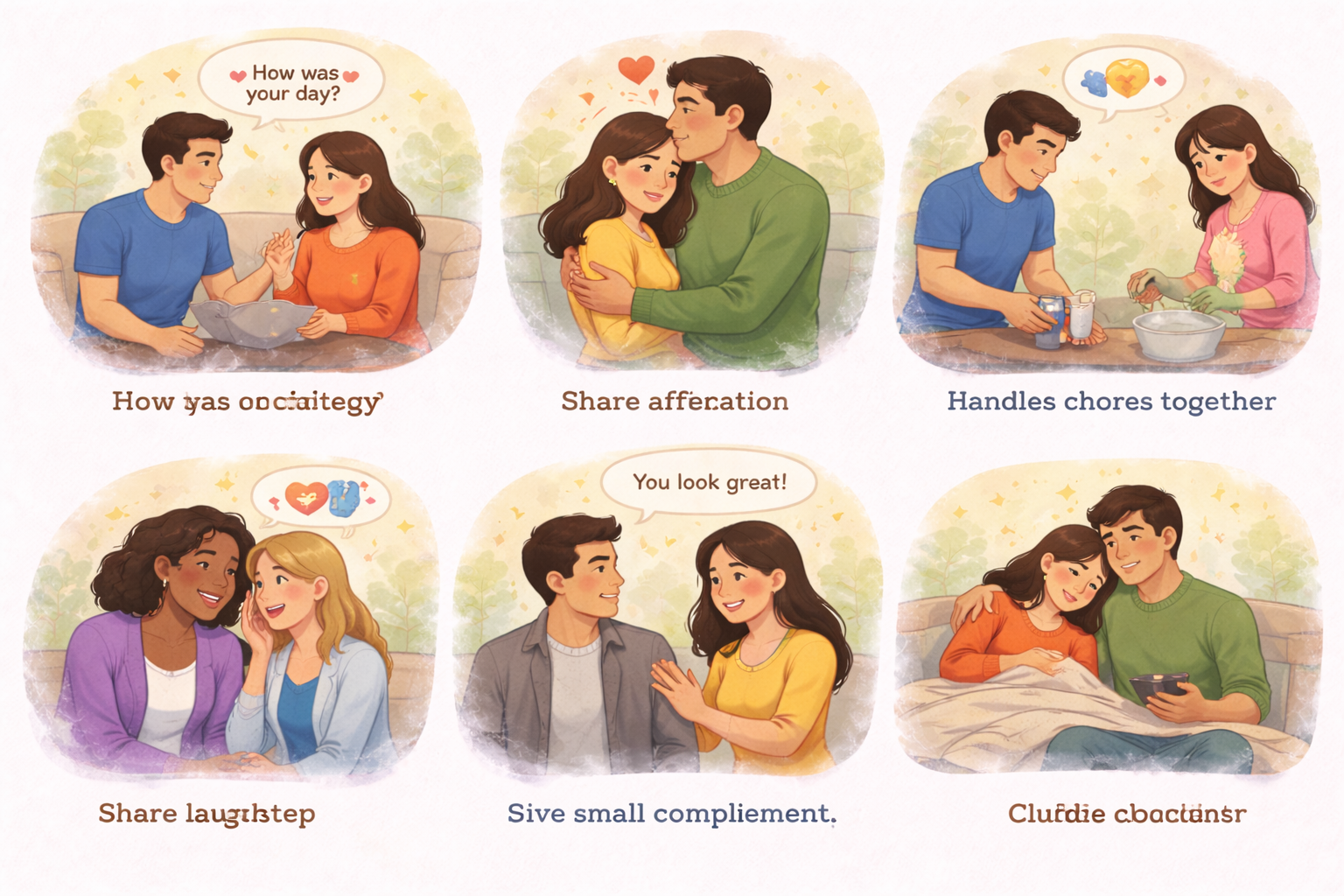
Trust-building habits grow stronger when practiced daily.
Simple daily actions include:
- checking in emotionally
- keeping small promises
- expressing appreciation
When Professional Support Helps
In some cases, trust issues are linked to trauma or repeated harm.
Professional support can guide repair.
Seeking help is a step toward healing.
Final Thoughts
Trust building habits shape the quality and depth of relationships. Trust grows through consistent, mindful actions that signal care, respect, and reliability.
By focusing on daily habits rather than perfection, trust becomes a natural outcome of how relationships are nurtured.
Trust is not a single decision—it is a practice.
More relationship resources from MindBloomDaily:
The Psychology of Love Languages
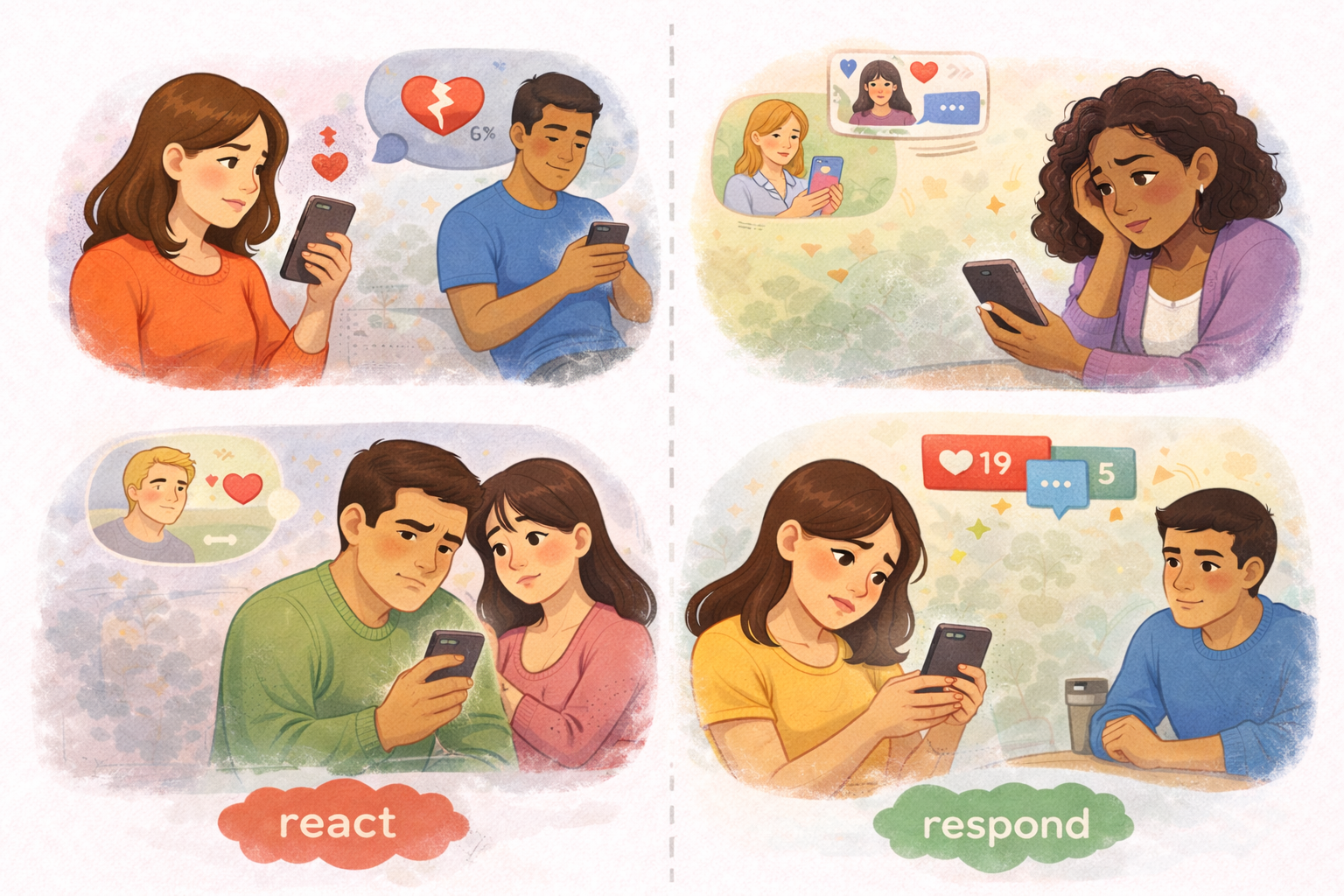
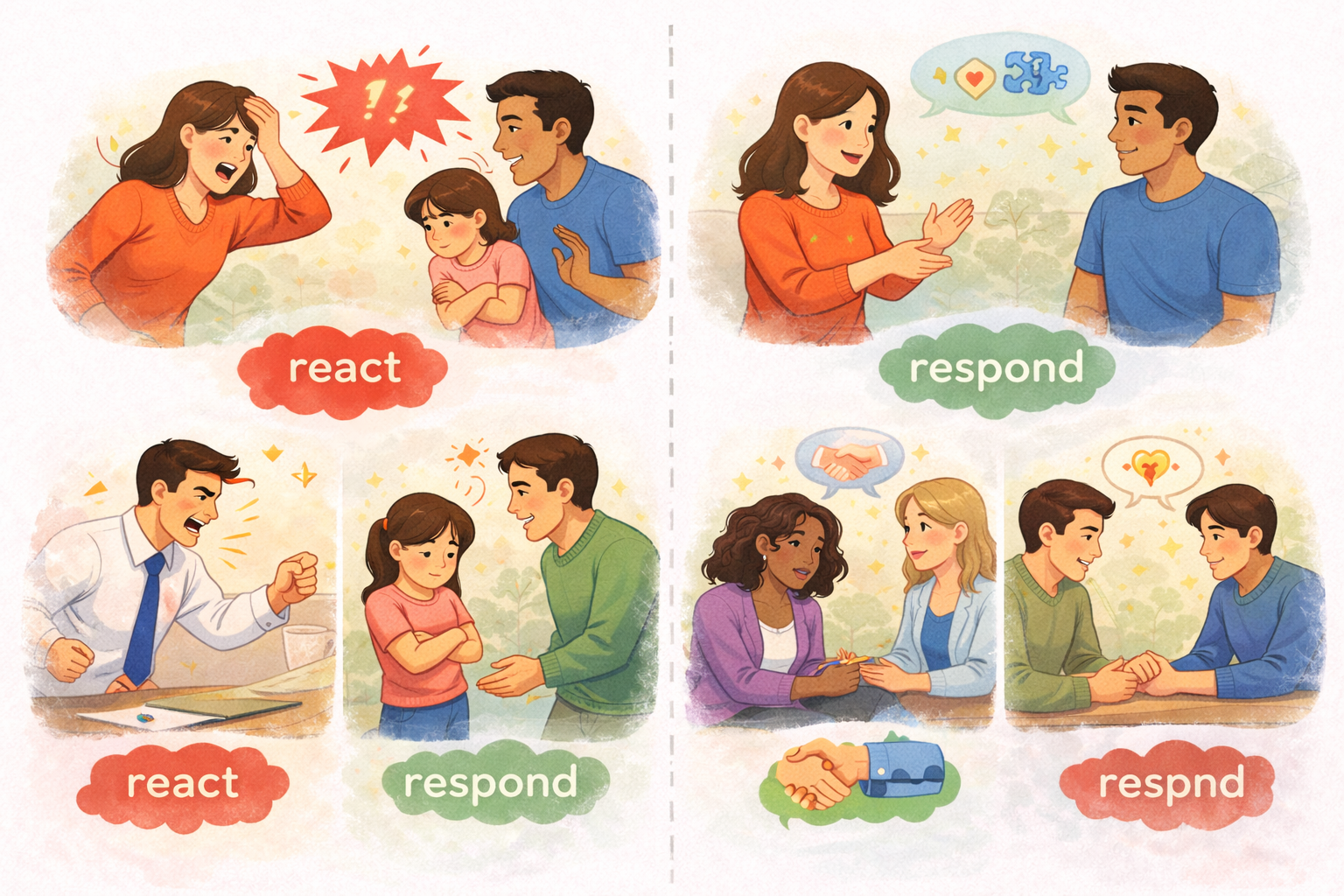
How to Respond Instead of React
For people who care too much
A five-minute refresh, every day.
If this gave you a moment of calm, MindBloom Pro sends ten small positive things to your dashboard each morning — chosen for the family life you're actually living.
Discussion
Comments
Sign in to join the conversation.
Sign inLoading comments…