



Table of contents21 sections · tap to expandShowHide
Closeness in relationships is rarely built through grand gestures alone. While big moments can be meaningful, research consistently shows that emotional connection grows through small, repeated actions that signal care, attention, and presence. These everyday behaviors—often called micro-actions—shape how safe, valued, and connected people feel over time. Studies from Harvard Medical School, the American Psychological Association, the National Institutes of Health, and Stanford University show that consistent micro-actions are one of the strongest predictors of relationship satisfaction.
Daily micro-actions are small, intentional behaviors that communicate emotional availability. They are subtle, often overlooked, and incredibly powerful when practiced consistently.
If you’re interested in strengthening emotional connection, you may also find this helpful:
Trust Building Habits
Why Small Actions Matter More Than Big Gestures
The brain forms emotional associations through repetition.
Harvard research shows that trust and closeness develop when people experience predictable signals of care. Large gestures may create spikes of emotion, but micro-actions create stability.
Closeness is not built in moments of perfection—it’s built in moments of consistency.
What Are Daily Micro-Actions?
Micro-actions are small behaviors that require little time but carry emotional meaning.
Examples include:
- making eye contact while listening
- sending a thoughtful message
- acknowledging emotions
- showing appreciation
Individually, these actions may seem insignificant. Together, they shape emotional safety.
The Psychology of Emotional Closeness
Emotional closeness involves feeling understood, valued, and emotionally safe.
APA research links emotional closeness to lower stress levels, improved mental health, and stronger relationship resilience.
Micro-actions work because they consistently reinforce these emotional needs.
Micro-Action 1: Consistent Emotional Check-Ins
Asking simple questions like “How are you feeling today?” communicates care.
Regular emotional check-ins show that feelings matter.
They do not require fixing—only listening.
Micro-Action 2: Active Listening
Listening without interrupting or multitasking builds closeness.
Stanford research shows that feeling heard activates neural pathways associated with safety and bonding.
Active listening includes:
- maintaining attention
- reflecting back what you hear
- validating emotions
Explore listening skills here:
Listening Skills That Improve Connection
Micro-Action 3: Small Expressions of Appreciation
Expressing appreciation reinforces emotional bonds.
APA studies show that gratitude strengthens relationship satisfaction.
Simple appreciation might include:
- thanking someone for small efforts
- acknowledging support
- noticing consistency
Micro-Action 4: Physical Presence and Touch
Appropriate physical touch—such as a hug or gentle contact—supports closeness.
Harvard research shows that touch releases oxytocin, which promotes bonding and reduces stress.
Touch does not have to be constant to be meaningful.
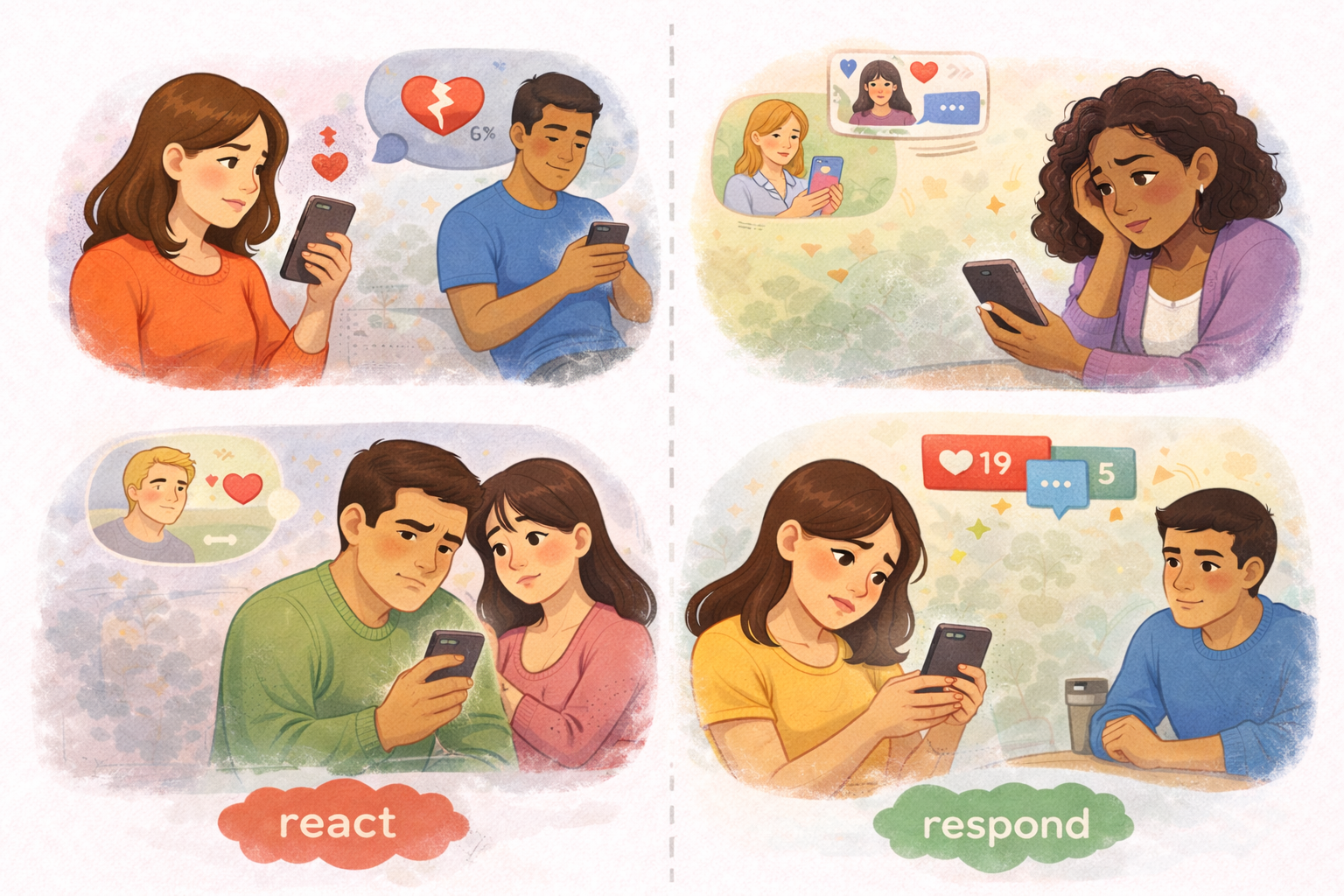
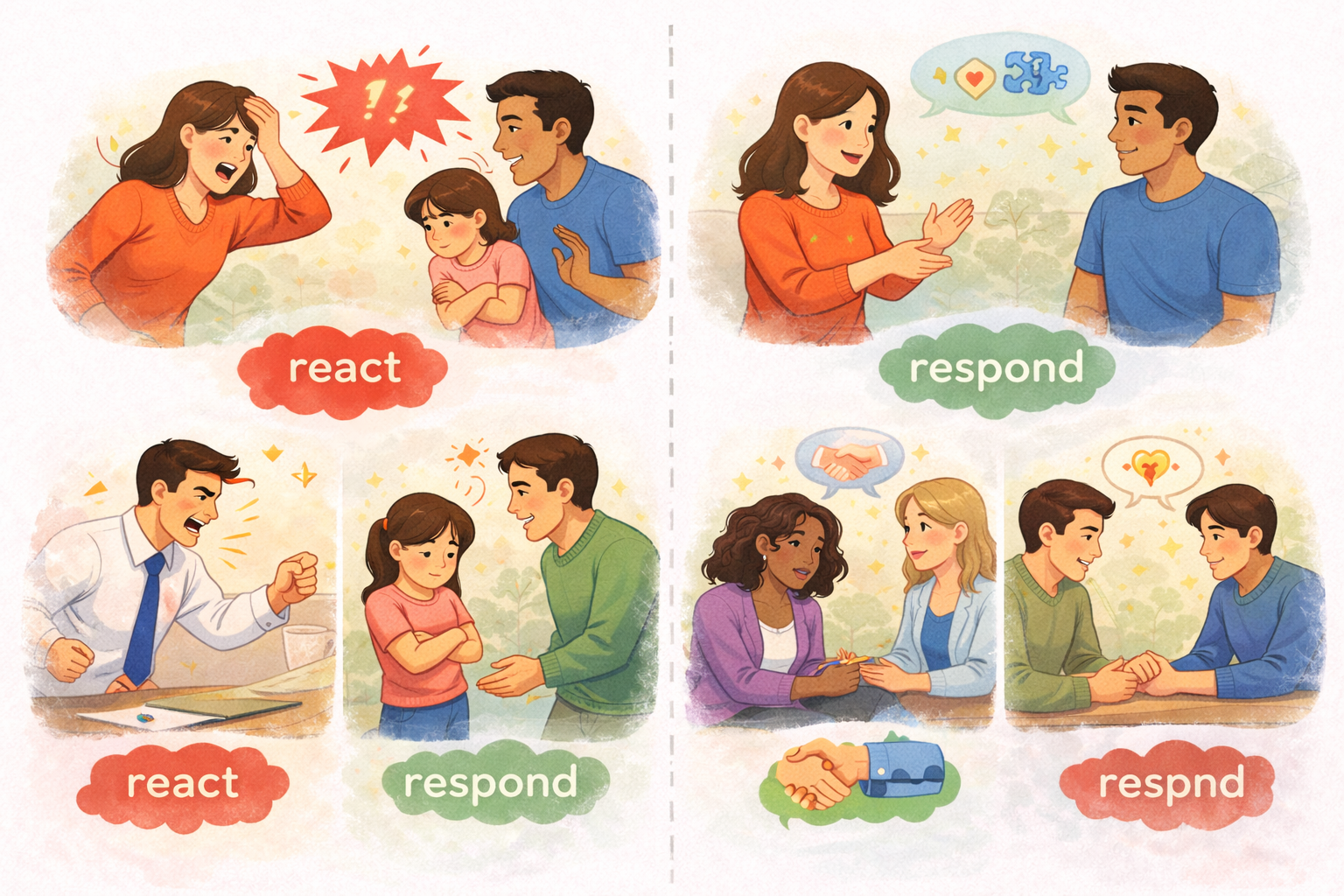
Micro-Action 5: Responding Instead of Reacting
Emotional reactions can create distance.
Thoughtful responses build safety.
Pausing before responding communicates respect.
Learn more here:
How to Respond Instead of React
Micro-Action 6: Remembering Small Details
Remembering preferences, concerns, or important moments signals attentiveness.
This shows that the relationship holds mental and emotional space.
Small details often carry deep meaning.
Micro-Action 7: Emotional Validation
Validation means acknowledging feelings without judgment.
Phrases like “That makes sense” or “I understand why that felt hard” build closeness.
Validation does not require agreement.
Micro-Action 8: Sharing Small Moments
Sharing everyday experiences fosters connection.
This may include:
- sending a quick update
- sharing a thought
- inviting someone into your day
These moments create emotional continuity.
Micro-Action 9: Respecting Emotional Boundaries
Closeness requires safety.
Respecting boundaries builds trust and comfort.
Boundaries protect connection rather than limit it.
Learn more here:
How to Set Boundaries Without Guilt
Micro-Action 10: Repairing Small Ruptures Quickly
Misunderstandings are inevitable.
Addressing them early prevents emotional buildup.
Simple repairs such as apologies or clarifications restore closeness.
Consistency Over Intensity
NIH research shows that consistency creates emotional predictability.
Predictability fosters safety, which deepens closeness.
Small actions repeated daily matter more than occasional intensity.
Micro-Actions and Emotional Safety
Emotional safety allows vulnerability.
Micro-actions signal that it is safe to express emotions and needs.
Safety is the foundation of closeness.
Micro-Actions in Long-Term Relationships
Over time, routines can dull awareness.
Intentional micro-actions counter emotional drift.
They keep connection alive during everyday life.
Micro-Actions During Stressful Periods
Stress often reduces emotional availability.
Even small gestures during stress maintain connection.
Reliability during difficulty strengthens bonds.
Common Myths About Closeness
- Myth: Closeness requires constant intensity
Reality: It grows through consistency - Myth: Big gestures matter most
Reality: Daily actions shape trust - Myth: Time alone builds closeness
Reality: Quality interaction matters more
When Closeness Feels Difficult
Life transitions, stress, or unresolved issues can create distance.
Micro-actions help rebuild connection gradually.
Patience is part of the process.
Practicing Micro-Actions Intentionally
Awareness is the first step.
Choosing one or two micro-actions daily is often enough.
Over time, they become natural habits.
Final Thoughts
Daily micro-actions are the quiet foundation of emotional closeness. They communicate care, reliability, and presence in ways that words alone cannot.
Closeness is not built in extraordinary moments—it is built in ordinary ones, repeated with intention.
Small actions, practiced daily, create lasting connection.
More relationship insights from MindBloomDaily:
The Role of Empathy in Relationships
Handling Conflict Mindfully
For people who care too much
A five-minute refresh, every day.
If this gave you a moment of calm, MindBloom Pro sends ten small positive things to your dashboard each morning — chosen for the family life you're actually living.

Discussion
Comments
Sign in to join the conversation.
Sign inLoading comments…