


Table of contents18 sections · tap to expandShowHide
Social media has transformed how people connect, communicate, and maintain relationships. While platforms offer convenience and constant access, they also introduce new emotional challenges. One of the most common is relationship anxiety—the persistent worry about connection, reassurance, comparison, and perceived distance. Research from Harvard Medical School, the American Psychological Association, the National Institutes of Health, and Stanford University shows that excessive or unmindful social media use can amplify insecurity and emotional distress in relationships.
Social media does not create relationship anxiety on its own, but it can intensify existing vulnerabilities. Understanding how digital environments influence emotions is key to protecting emotional wellbeing and connection.
If you’re exploring emotional regulation and healthy communication, you may also find this helpful:
Trust Building Habits
What Is Relationship Anxiety?
Relationship anxiety involves persistent worry about the stability, safety, or future of a relationship. It may include fears of abandonment, rejection, or not being “enough.”
APA research links relationship anxiety to heightened sensitivity to cues of approval or disapproval—something social media provides in abundance.
Common signs include:
- overthinking messages or responses
- frequent reassurance-seeking
- comparison with other couples
- fear of being replaced or forgotten
How Social Media Amplifies Anxiety
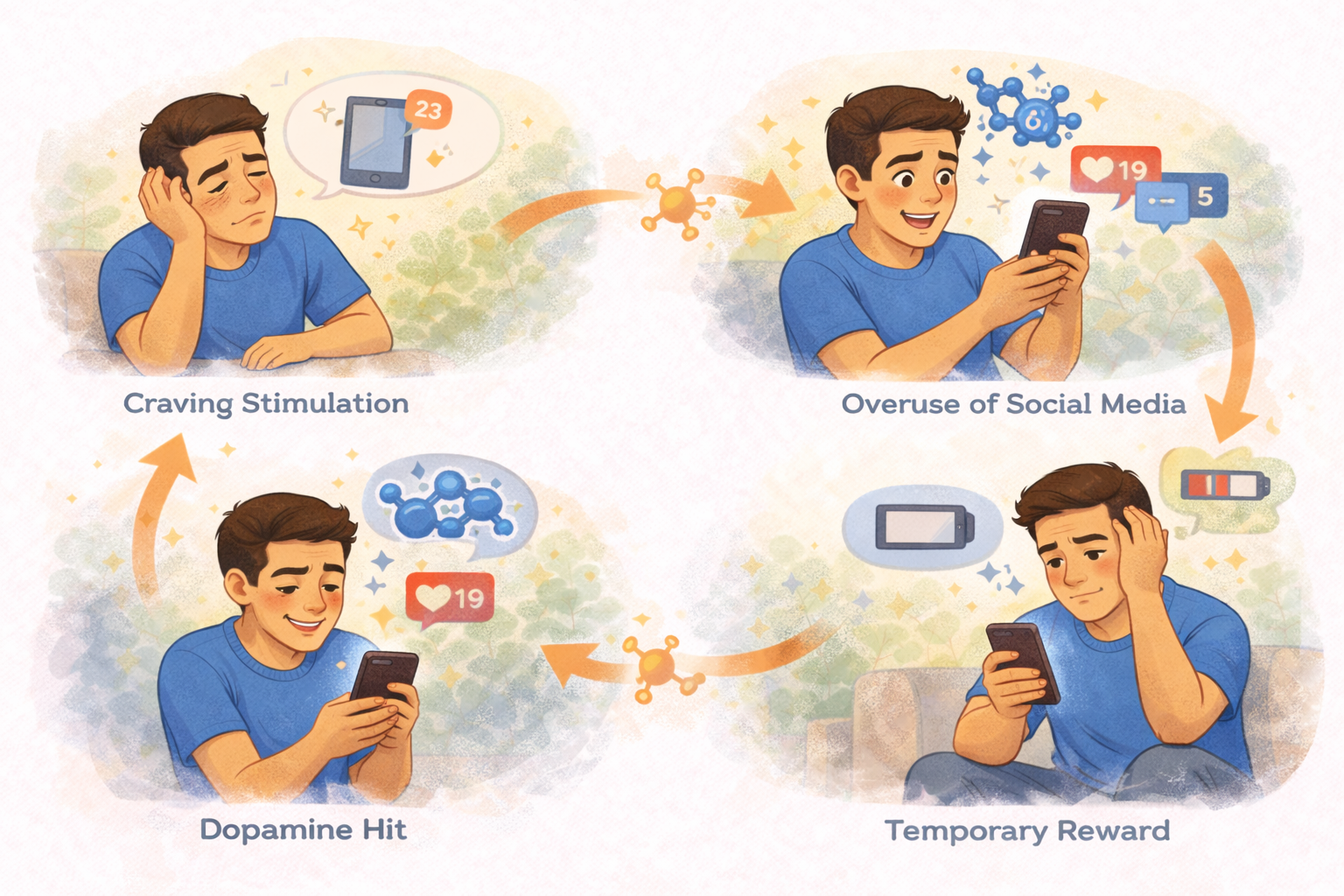
Social media is designed to capture attention, encourage comparison, and reward visibility.
Harvard research shows that frequent exposure to curated images of relationships can distort expectations and fuel insecurity.
Online platforms rarely show the full reality of relationships—only highlights.
The Comparison Trap
Comparing one’s relationship to others online is one of the strongest drivers of relationship anxiety.
Seeing public displays of affection, milestones, or “perfect” moments can trigger doubt.
Stanford studies show that upward social comparison increases dissatisfaction and emotional stress.
What is missing from comparison is context.
Likes, Comments, and Validation Seeking
Social media metrics such as likes, comments, and views act as external validation cues.
NIH-supported research links validation-seeking behaviors to increased anxiety and emotional dependency.
In relationships, this may appear as:
- monitoring partner engagement online
- overinterpreting digital silence
- measuring relationship value through visibility
Digital Communication and Misinterpretation
Text-based communication lacks tone, facial expression, and body language.
This increases the likelihood of misinterpretation.
A delayed response may be read as disinterest rather than circumstance.
APA research shows that ambiguity increases anxiety, especially in emotionally invested relationships.
Attachment Styles and Social Media Sensitivity
Attachment theory explains why some people are more affected by social media than others.
Anxious attachment styles are particularly sensitive to perceived distance or rejection.
Avoidant styles may use social media to maintain emotional distance.
Understanding attachment patterns helps contextualize emotional responses.
Social Media and Trust Erosion
Trust can be strained when social media introduces ambiguity.
Examples include:
- hidden interactions
- unclear boundaries
- past connections resurfacing
Trust issues are less about the platform and more about communication and boundaries.
Related reading:
How to Set Boundaries Without Guilt
Fear of Missing Out (FOMO) in Relationships
FOMO is not limited to experiences—it also applies to relationships.
Seeing others appear happier or more connected can create doubt.
NIH research links FOMO to anxiety, dissatisfaction, and emotional restlessness.
FOMO thrives on comparison rather than presence.
Social Media and Emotional Regulation
Constant exposure to emotionally charged content strains regulation capacity.
Emotional overload increases reactivity and rumination.
For regulation strategies, explore:
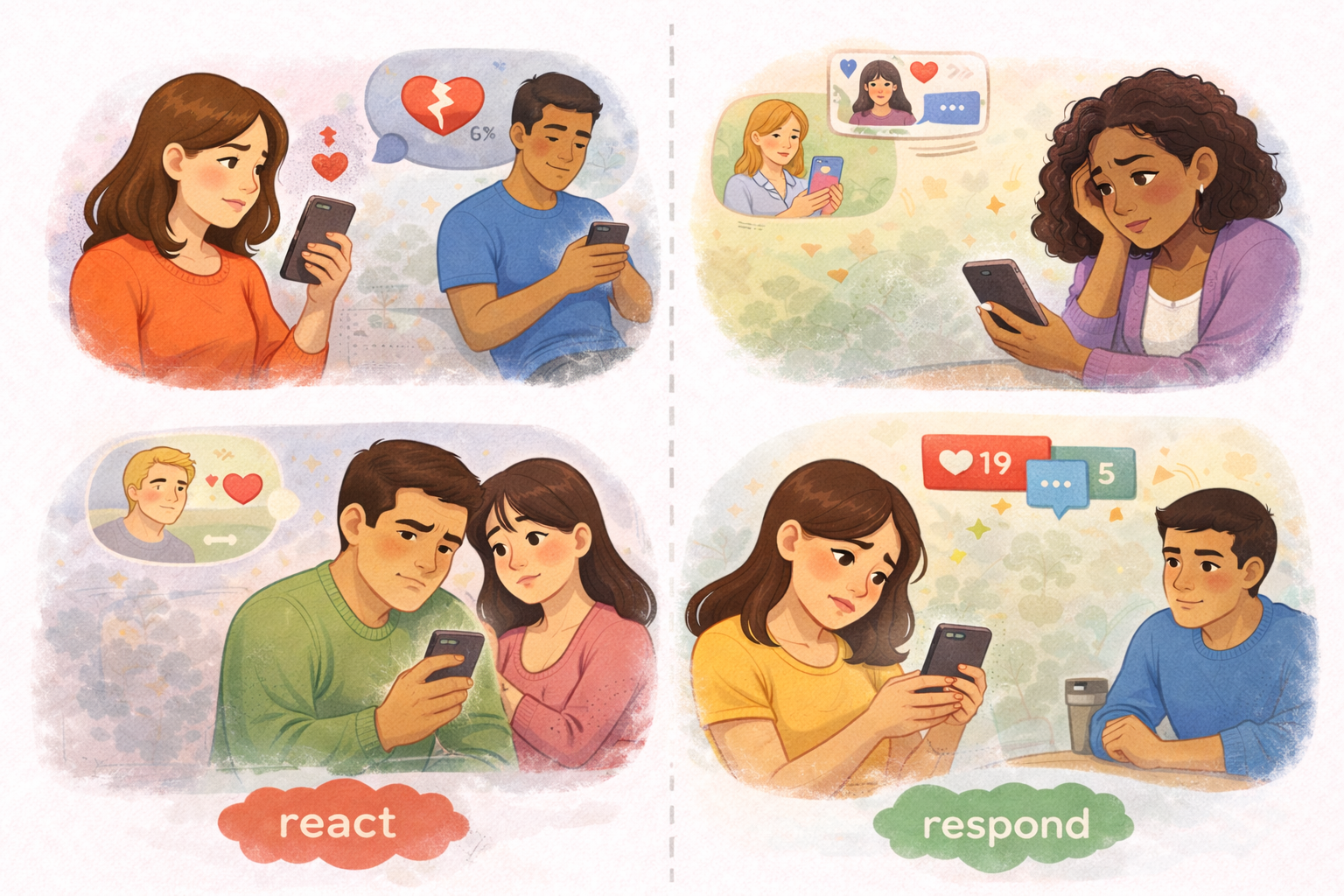
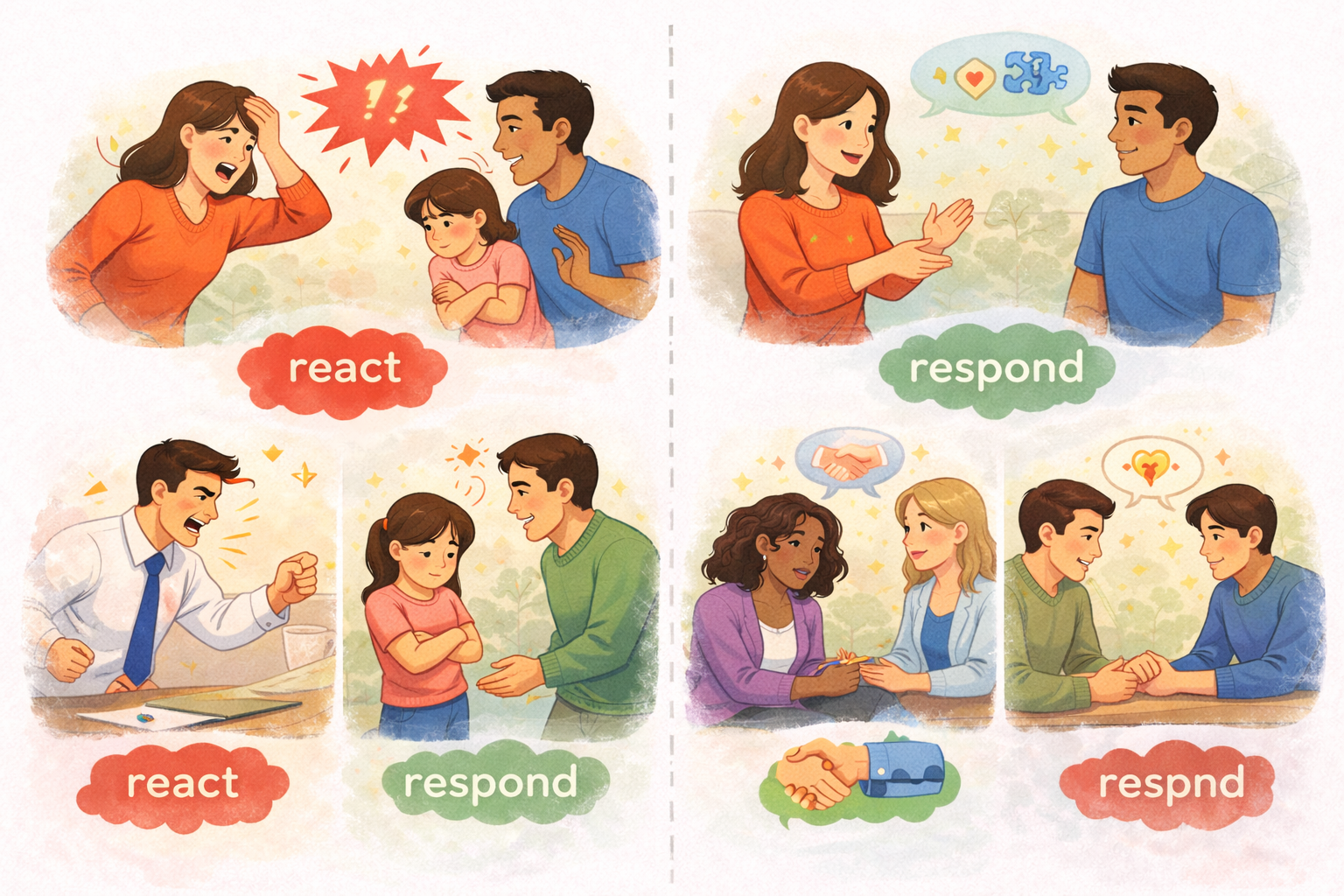
How to Respond Instead of React
When Online Presence Becomes Surveillance
Checking a partner’s online activity repeatedly can become a coping mechanism for anxiety.
While understandable, it often reinforces worry.
Harvard research shows that reassurance-seeking behaviors can paradoxically increase anxiety.
Healthy Boundaries Around Social Media
Boundaries protect emotional wellbeing.
Healthy boundaries may include:
- limiting monitoring behaviors
- clarifying expectations around posting
- separating online presence from relationship value
Communication Over Assumptions
Open communication reduces anxiety more effectively than digital observation.
Discussing expectations around social media use builds clarity.
Explore communication tools here:
Assertive vs. Aggressive Communication
Reducing Social Media-Induced Anxiety
Helpful strategies include:
- limiting screen time
- curating feeds intentionally
- turning off nonessential notifications
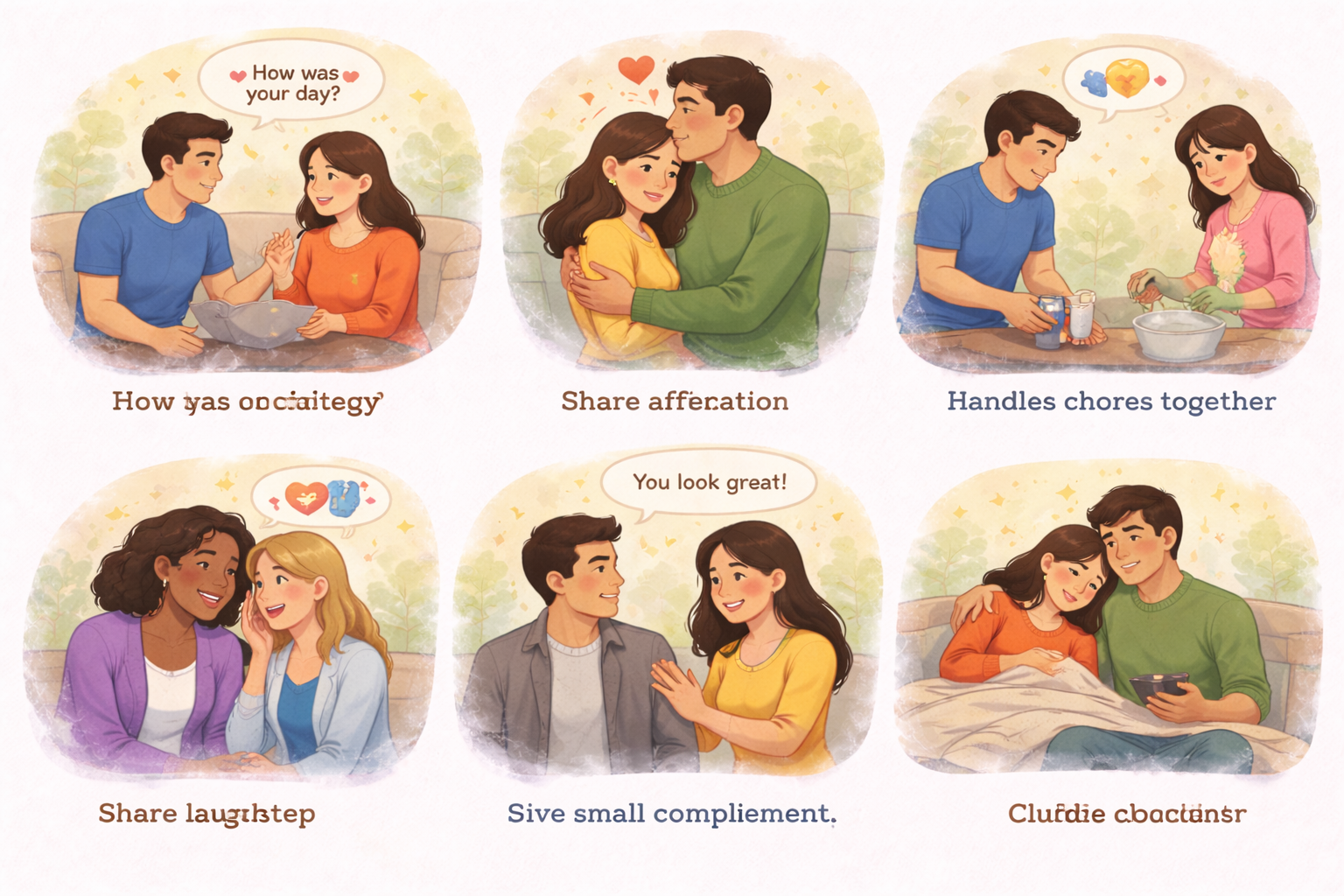
- focusing on offline connection
Related reading:
Reducing Screen Time Without Feeling Deprived
Mindfulness and Digital Awareness
Mindfulness helps create awareness around emotional responses to social media.
Noticing triggers allows intentional disengagement.
Stanford research shows mindfulness reduces digital stress.
When Social Media Becomes a Relationship Stressor
If social media consistently causes distress, it may be a signal to reassess usage patterns.
Protecting mental health supports relationship health.
Common Myths About Social Media and Relationships
- Myth: Online visibility equals relationship strength
Reality: Emotional safety matters more - Myth: Checking reduces anxiety
Reality: It often reinforces it - Myth: Everyone else is happier
Reality: Social media shows highlights, not reality
When to Seek Support
If relationship anxiety becomes overwhelming, professional support can help address underlying patterns.
Seeking help is a sign of care for yourself and your relationships.
Final Thoughts
Social media is a powerful tool, but it is not a reliable measure of relationship health. Anxiety often grows when digital cues replace direct communication and presence.
By setting boundaries, practicing awareness, and prioritizing real connection, relationships can thrive both online and offline.
Connection is built through trust, communication, and presence—not algorithms.
More relationship insights from MindBloomDaily:
The Psychology of Love Languages
Handling Conflict Mindfully
For people who care too much
A five-minute refresh, every day.
If this gave you a moment of calm, MindBloom Pro sends ten small positive things to your dashboard each morning — chosen for the family life you're actually living.
Discussion
Comments
Sign in to join the conversation.
Sign inLoading comments…