



Table of contents18 sections · tap to expandShowHide
Empathy is one of the most powerful forces shaping human relationships. It influences how we communicate, resolve conflict, and feel emotionally connected to one another. At its core, empathy is the ability to understand and share another person’s emotional experience without judgment. Research from Harvard Medical School, the American Psychological Association, the National Institutes of Health, and Stanford University shows that empathy is strongly linked to relationship satisfaction, trust, and emotional wellbeing.
Empathy does not mean agreeing with someone or fixing their problems. It means being present with their experience. When empathy is present, people feel seen, heard, and valued—foundational needs in any healthy relationship.
If you’re exploring emotional connection and communication, you may also find this helpful:
Listening Skills That Improve Connection
What Is Empathy?
Empathy involves recognizing, understanding, and responding to another person’s emotions. Psychologists often describe empathy as having three components:
- Cognitive empathy: understanding another person’s perspective
- Emotional empathy: feeling with someone emotionally
- Compassionate empathy: responding with care and support
Healthy relationships benefit from all three forms.
Why Empathy Matters in Relationships
Empathy allows partners, friends, and family members to move beyond surface-level interaction into genuine emotional connection.
APA research shows that empathy is associated with:
- greater relationship satisfaction
- lower conflict intensity
- higher trust
- emotional safety
Without empathy, communication becomes defensive, misunderstandings grow, and emotional distance increases.
The Brain Science Behind Empathy
Empathy is supported by neural systems involving mirror neurons, the prefrontal cortex, and limbic regions associated with emotion.
Harvard research shows that when we empathize, similar neural pathways activate as if we were experiencing the emotion ourselves.
This biological foundation explains why empathy feels instinctive—but also why stress can impair it.
Empathy and Emotional Safety
Emotional safety refers to feeling accepted and understood without fear of judgment.
Empathy creates emotional safety by signaling:
- “Your feelings make sense”
- “You matter”
- “You’re not alone”
When people feel emotionally safe, they are more open, honest, and vulnerable.
Empathy vs Sympathy
Empathy is often confused with sympathy, but they are not the same.
- Sympathy: feeling sorry for someone
- Empathy: feeling with someone
Empathy builds connection. Sympathy can unintentionally create distance.
How Empathy Improves Communication
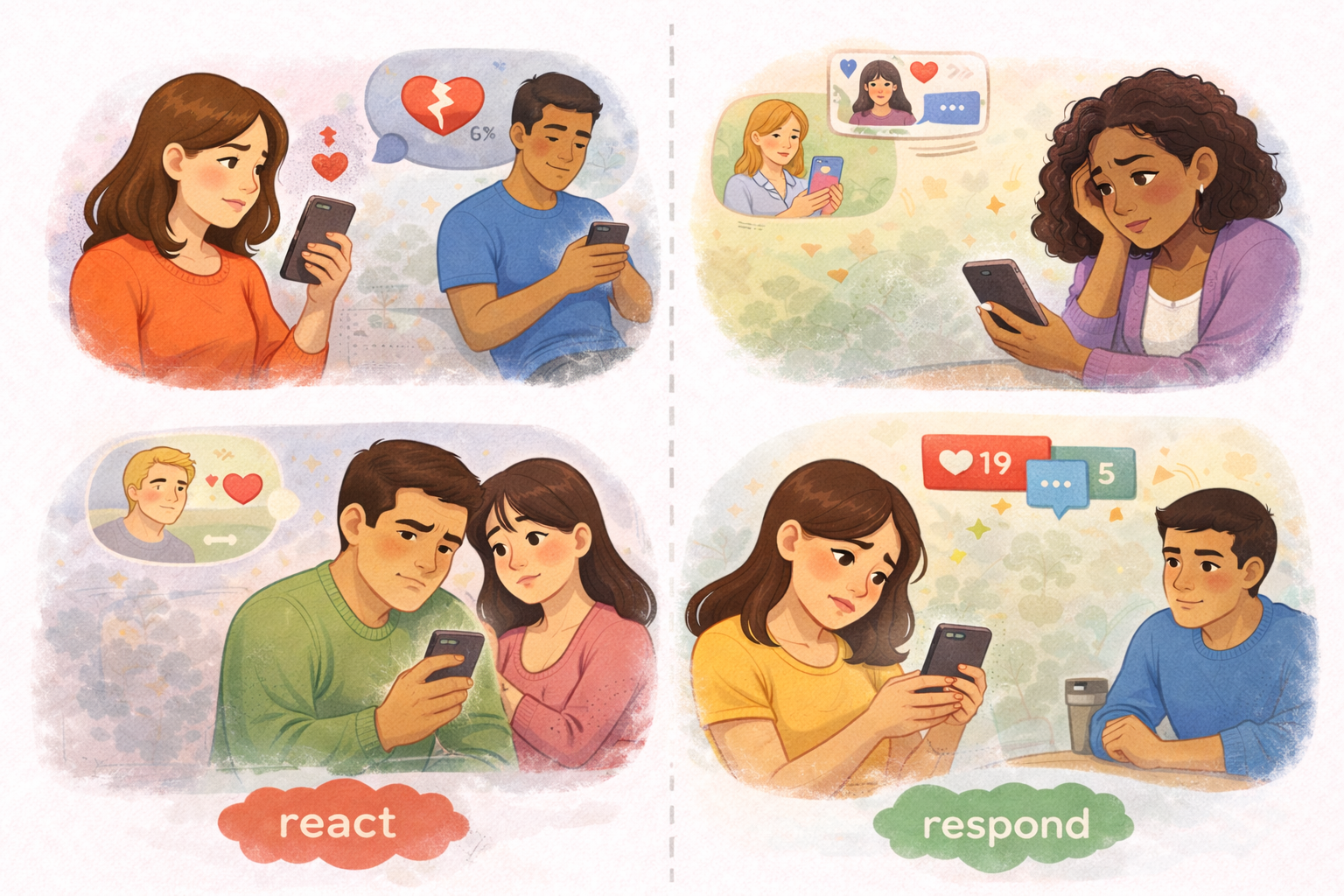
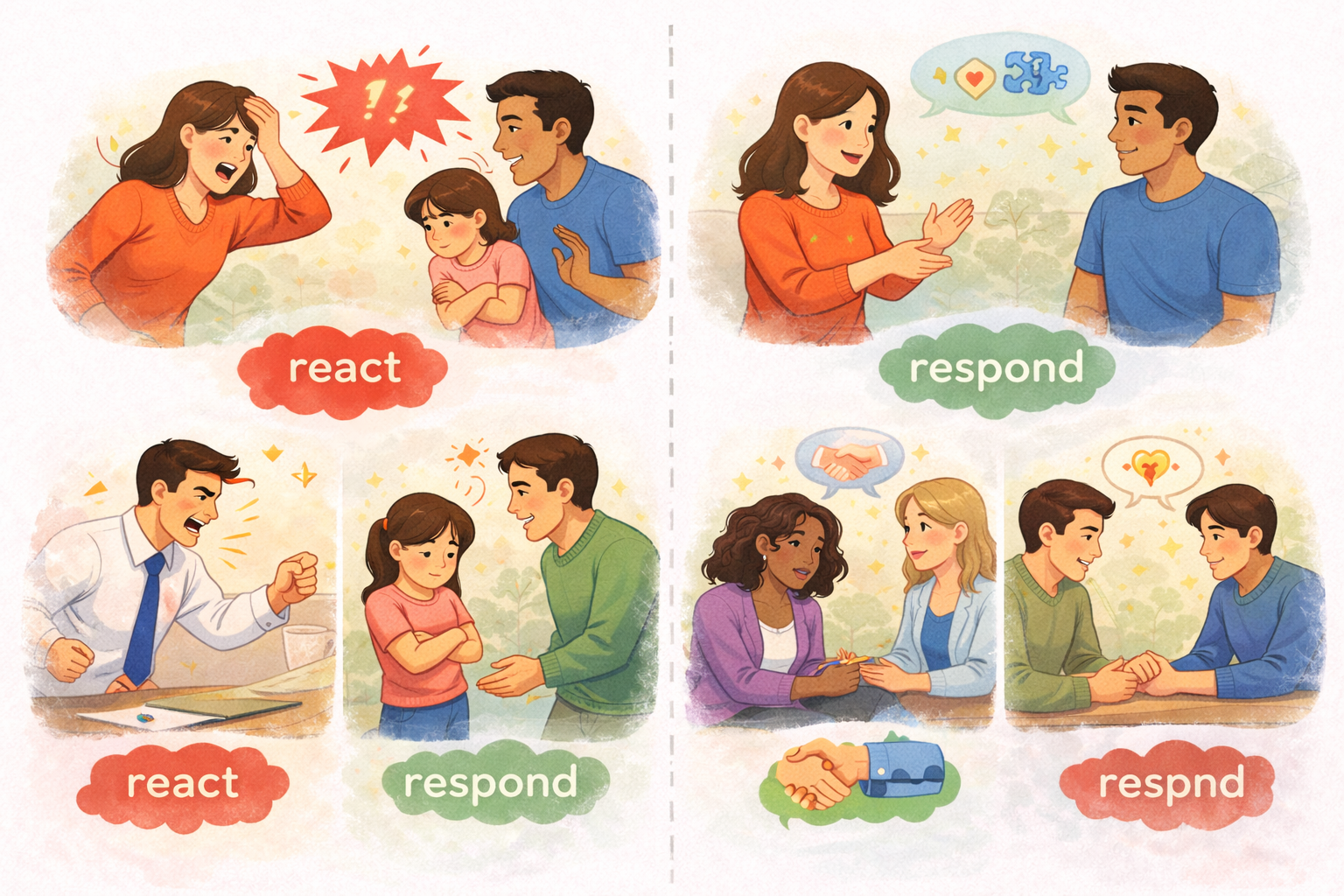
Empathy shifts communication from reacting to understanding.
Instead of focusing on being right, empathetic communication focuses on being present.
This reduces defensiveness and helps people feel heard.
Explore communication strategies here:
Assertive vs. Aggressive Communication
Empathy and Conflict Resolution
Conflict is inevitable in relationships. Empathy determines whether conflict damages or strengthens the bond.
NIH-supported research shows that empathetic responses reduce physiological stress during disagreements.
Empathy during conflict helps by:
- lowering emotional intensity
- preventing escalation
- supporting mutual understanding
For mindful conflict approaches, see:
Handling Conflict Mindfully
Empathy in Romantic Relationships
In romantic relationships, empathy supports intimacy, trust, and long-term satisfaction.
Stanford studies show that partners who feel emotionally understood report stronger bonds and greater resilience during challenges.
Empathy allows couples to navigate stressors without losing connection.
Empathy in Friendships
Friendships thrive on mutual understanding and emotional support.
Empathy helps friends feel validated during difficult moments and celebrated during positive ones.
Without empathy, friendships may feel transactional or shallow.
Empathy in Family Relationships
Family dynamics often involve long histories and emotional complexity.
Empathy helps break cycles of misunderstanding and defensiveness.
It allows family members to respond rather than react.
Related reading:
How to Respond Instead of React
When Empathy Feels Difficult
Empathy can be challenging when emotions are intense, stress is high, or past wounds are activated.
Stress reduces cognitive empathy by narrowing attention.
Supporting your own nervous system improves empathy capacity.
Explore grounding tools here:
Grounding Exercises for Daily Use
Empathy and Boundaries
Empathy does not mean absorbing others’ emotions or neglecting your own needs.
Healthy empathy includes boundaries.
Boundaries protect emotional energy while allowing compassion.
Learn more here:
How to Set Boundaries Without Guilt
How to Practice Empathy Daily
- listen without interrupting
- validate emotions before problem-solving
- ask open-ended questions
- notice nonverbal cues
- pause before responding
Common Barriers to Empathy
- stress and exhaustion
- defensiveness
- assumptions
- emotional overwhelm
Awareness of these barriers allows for intentional repair.
Empathy and Emotional Intelligence
Empathy is a core component of emotional intelligence.
Higher emotional intelligence is linked to stronger relationships and better conflict management.
Explore self-awareness here:
Emotional Triggers and Self-Awareness
Empathy Is a Skill, Not a Trait
While some people seem naturally empathetic, empathy is a learnable skill.
Practice strengthens neural pathways associated with understanding and compassion.
Small efforts compound over time.
When Empathy Needs Support
In some situations, professional guidance helps rebuild empathy—especially after trauma or prolonged conflict.
Seeking support is a sign of care, not failure.
Final Thoughts
Empathy is the foundation of meaningful relationships. It shapes how we connect, communicate, and navigate challenges together.
By practicing empathy with intention, we create relationships rooted in understanding rather than assumption.
Empathy does not require perfection—only presence.
More relationship guides from MindBloomDaily:
Trust Building Habits
Social Media and Relationship Anxiety
For people who care too much
A five-minute refresh, every day.
If this gave you a moment of calm, MindBloom Pro sends ten small positive things to your dashboard each morning — chosen for the family life you're actually living.

Discussion
Comments
Sign in to join the conversation.
Sign inLoading comments…