


Table of contents12 sections · tap to expandShowHide
Your mood and energy levels are deeply connected to the nutrients you consume. While stress, sleep, and lifestyle factors play their roles, the food you eat throughout the day has a direct impact on brain chemistry, hormone balance, and overall vitality. Certain foods contain vitamins, minerals, antioxidants, and amino acids that support mental well-being and help stabilize mood. Others help regulate blood sugar, which keeps energy steady instead of spiking and crashing.
This article explores foods that are scientifically linked to better mood and energy, along with simple ways to include them in your daily routine. These are not quick fixes but gradual, nourishing shifts that support both mind and body over time.
Fatty Fish: Omega-3s for Brain and Emotional Health
Research from the National Institutes of Health – Omega-3 and Mood Regulation Review highlights that omega-3 fatty acids (especially EPA and DHA) play a significant role in brain function, mood stability, and cognitive health. These fats help support communication between brain cells and reduce inflammation linked to low mood.
Common omega-3-rich fish include:
- Salmon
- Mackerel
- Sardines
- Trout
Even two servings per week can support emotional balance and sustained energy. If you’re exploring nutrients for brain clarity, you may also enjoy: Brain-Friendly Nutrients to Know.
Leafy Greens: Folate and B Vitamins for Mental Clarity
Leafy greens like spinach, kale, and Swiss chard contain B vitamins—especially folate—which are linked to lower rates of fatigue and depressive symptoms.
Research published in the Journal of Nutrition – Folate and Mood Study suggests that deficiencies in folate and B6 can interfere with neurotransmitters such as serotonin and dopamine, which regulate mood.
Leafy greens also help stabilize energy by supporting metabolic processes and reducing inflammation. Adding a handful to smoothies, soups, or stir-fries is an easy way to boost nutrient density.
Whole Grains: Slow Release Energy for the Brain
Whole grains digest slowly, releasing glucose steadily into the bloodstream. This helps prevent sharp energy crashes and supports sustained mental alertness.
Examples include:
- Oats
- Quinoa
- Brown rice
- Whole wheat
Research from the Harvard T.H. Chan School of Public Health – Whole Grain and Energy Study explains that whole grains contain complex carbohydrates and fiber, which stabilize blood sugar and improve focus and stamina.
If energy dips in the afternoon are common for you, this article may also help: Balanced Breakfast Ideas for Mental Clarity.
Nuts and Seeds: Small Foods With Big Effects
Nuts and seeds provide healthy fats, protein, fiber, and minerals like magnesium and zinc—nutrients strongly linked to mood and energy balance.
Some of the most supportive nuts and seeds include:
- Walnuts (rich in omega-3s)
- Almonds (high in magnesium)
- Pumpkin seeds (excellent for zinc and tryptophan)
- Chia seeds (fiber-rich for steady energy)
Research from the Journal of Trace Elements in Medicine and Biology notes that magnesium plays an essential role in mood regulation and may help reduce anxiety and fatigue.
Fermented Foods: Supporting Gut Health and Emotional Balance
Your gut and mood are deeply connected. This relationship—known as the gut-brain axis—means that supporting gut bacteria can positively influence emotional well-being.
Examples of fermented foods include:
- Yogurt with live cultures
- Kefir
- Kimchi
- Sauerkraut
- Miso
Research from the NIH – Gut Microbiome and Mood Review suggests that probiotics may help reduce symptoms of stress, anxiety, and depression by influencing neurotransmitter production and inflammation.
You can explore more on the gut–anxiety relationship here: The Link Between Gut Health and Anxiety.
Berries: Antioxidants for Brain and Mood Protection
Berries—blueberries, strawberries, raspberries—are packed with antioxidants that help protect brain cells from oxidative stress, which can negatively impact mood and energy.
Research from the Journal of Agricultural and Food Chemistry found that berry antioxidants may support memory, learning, and emotional resilience.
Even a small handful of berries added to breakfast or snacks can provide potent brain-supporting benefits.
Dark Chocolate: A Natural Mood Booster
Dark chocolate contains antioxidants, magnesium, and compounds that stimulate the release of serotonin and endorphins.
Research from the NIH – Cocoa and Mood Study suggests that cocoa flavanols may help reduce stress and improve mood when consumed in moderation.
A small piece of dark chocolate (70% or higher) can lift your mood and offer a gentle energy boost without the crash of sugary sweets.
Avocados: Healthy Fats for Sustained Energy
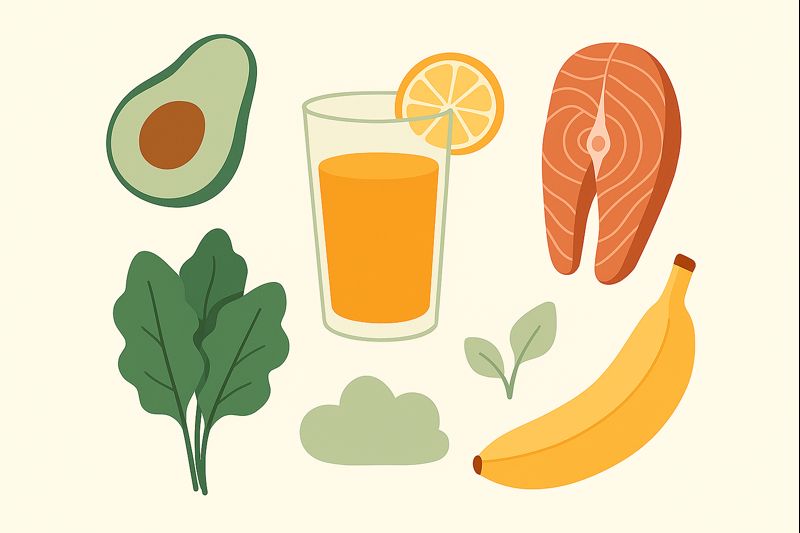
Avocados are rich in monounsaturated fats, fiber, potassium, and B vitamins—all essential for maintaining energy and supporting brain function.
They help regulate blood sugar and provide steady fuel throughout the day. Avocados also support healthy hormone production, which influences mood regulation.
Try adding slices to toast, salads, or omelets for a stable energy foundation.
Bananas: Nature’s Fast Mood and Energy Lift
Bananas provide quick-access carbohydrates, vitamin B6, and potassium. B6 helps produce serotonin, one of the key neurotransmitters responsible for mood balance.
Research from the Journal of Psychopharmacology points to the stabilizing effect of B6 on mood and cognitive functioning.
Bananas are especially helpful as a pre-workout snack or mid-day pick-me-up.
Green Tea: Calm Alertness Without the Crash
Green tea contains L-theanine, an amino acid that promotes calm, focused energy.
Research from the University of Shizuoka – L-Theanine and Alertness Study shows that L-theanine increases alpha brain waves, which support relaxed concentration.
This makes green tea an excellent alternative to coffee, especially if caffeine sensitivity affects your mood or focus.
To explore focus without caffeine, visit: Simple Ways to Improve Focus Without Caffeine.
Legumes: Steady Energy and Stable Mood
Beans, lentils, and chickpeas are rich in protein, fiber, and slow-digesting carbohydrates. They help stabilize blood sugar, which prevents mood and energy swings.
Legumes are also high in folate and iron, two nutrients essential for emotional stability and energy metabolism.
Final Thoughts
Food is one of the most accessible tools for improving mood and energy. Small daily choices—like adding berries to breakfast, choosing whole grains, drinking green tea, or including leafy greens—can gradually improve how you feel mentally and physically.
Your brain and body thrive on consistent nourishment. You don’t need to overhaul your entire diet overnight; begin with one or two simple shifts and build from there. Over time, these nutrient-rich foods create more balanced energy, clearer thinking, and a naturally improved mood.
More to Support Your Well-Being:
Balanced Breakfast Ideas for Mental Clarity
Herbal Teas for Calm and Clarity
For people who care too much
A five-minute refresh, every day.
If this gave you a moment of calm, MindBloom Pro sends ten small positive things to your dashboard each morning — chosen for the family life you're actually living.
Discussion
Comments
Sign in to join the conversation.
Sign inLoading comments…