



Table of contents20 sections · tap to expandShowHide
Creating a personal focus system is one of the most powerful ways to improve productivity, reduce stress, and strengthen mental clarity. Research from the Harvard Medical School, the Stanford School of Medicine, and the American Psychological Association shows that the modern brain is overwhelmed by constant stimulation. Email alerts, conversations, social media, and task-switching all reduce attention span and make deep concentration more difficult. A personal focus system helps you regain control by creating structure around how you use your attention.
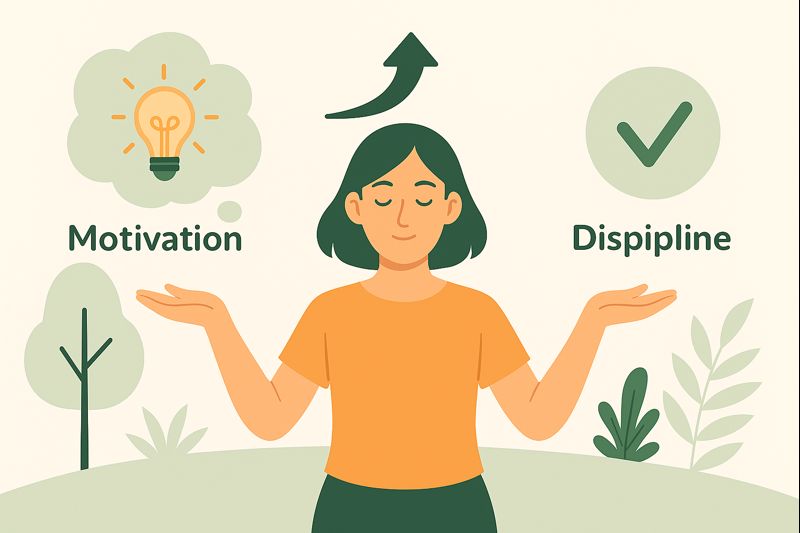
Instead of relying on motivation alone, a focus system builds habits, cues, and processes that allow your brain to operate at its best. When your environment, schedule, and mind are aligned, focus becomes natural—not forced.
This guide explains how to build a personal focus system personalized to your goals, energy levels, and working style so you can accomplish more with less stress.
Why You Need a Personal Focus System
Focus is no longer something we can assume will happen on its own. Harvard research shows that the average person is interrupted or distracted every 3 to 7 minutes. Each interruption creates what psychologists call “attention residue”—a leftover cognitive load that reduces mental clarity.
A personal focus system:
- reduces distractions proactively
- keeps you aligned with your priorities
- creates predictable patterns that support deep work
- helps you avoid decision fatigue
- strengthens your cognitive endurance
Without a system, your attention is reactive—controlled by whatever grabs it. With a system, your attention becomes intentional—directed by you.
If you want a foundation in reducing distraction, you may also enjoy:
How to Design a Distraction-Free Work Day
The Core Components of a Personal Focus System
Your focus system should be simple and sustainable. There are five core components that form the structure of any effective focus routine:
- Clarity of priorities
- Time and task structure
- Environmental design
- Attention management techniques
- Energy and emotion regulation
1. Clarify Your Priorities
Focus becomes easier when you know what truly matters. Instead of juggling dozens of unrelated tasks, begin by clarifying your weekly and daily priorities.
Ask yourself:
- What goals am I working toward this month?
- Which tasks have the highest impact on those goals?
- What can I remove, delegate, or postpone?
To go deeper into weekly structure, explore:
Weekly Planning: Why It Matters
2. Build a Structured Schedule
Without structure, the brain defaults to low-effort tasks and distractions. A strong focus system includes time-blocking, priority alignment, and consistent work rhythms.
Use Time Blocks
Time blocking gives your tasks a dedicated space rather than letting them compete for attention. Harvard research shows that assigning tasks to time windows improves follow-through and reduces procrastination.
Common time blocks include:
- deep work blocks
- administrative blocks
- communication blocks
- creative or strategy blocks
- break and recovery blocks
Anchor Your Day With Routines
Routines reduce decision fatigue and create cognitive stability. A morning routine, in particular, sets the tone for your focus. For examples, read:
Morning Routines for Peak Productivity
3. Create a Focus-Optimized Environment
Your environment shapes your attention more than motivation does. A personal focus system requires eliminating environmental friction and creating an atmosphere that cues your brain to concentrate.
According to Stanford neuroscience research, visual clutter reduces your ability to process information effectively.
An optimized environment includes:
- a clean and organized workspace
- a minimal number of open browser tabs
- consistent lighting and comfortable seating
- noise control—using headphones or white noise if needed
- a designated “focus zone” where you do deep work
If clutter impacts your mind, explore:
How Decluttering Your Space Affects Your Mind
4. Use Attention Management Techniques
Attention is a muscle, and techniques help strengthen it. A personal focus system includes tools that support sustained concentration while preventing burnout.
The Focus Sprint Method
Short periods of intense focus—typically 25, 40, or 60 minutes—followed by short breaks help maintain high performance without fatigue. This method reduces cognitive switching and increases productivity.
The Rule of One
Work on only one task at a time. Multitasking reduces mental performance and increases stress. To learn more, read:
The Power of Single-Tasking Over Multitasking
The “Start Small” Approach
When a task feels overwhelming, reduce it to the smallest action possible. This technique reduces resistance and creates momentum.
Explore this idea further:
The 2-Minute Rule: Start Small, Stay Consistent
Digital Minimalism
Notifications, alerts, and open tabs drain attention. A digital minimalist approach includes:
- turning off nonessential notifications
- checking email only at scheduled times
- using focus apps or Do Not Disturb mode
- keeping your phone out of your sight during deep work
If you want to reduce digital overwhelm, read:
Reducing Screen Time Without Feeling Deprived
5. Manage Energy and Emotional State
You can’t focus if your emotional or physical energy is depleted. A personal focus system includes strategies for managing stress, improving mood, and caring for your cognitive resources.
Use Mindfulness for Resetting Focus
The APA highlights mindfulness as one of the most effective tools for improving concentration and emotional regulation. Even 2–5 minutes of deep breathing can reset your mental state.
Try this quick guide:
How Deep Breathing Can Help Calm the Mind
Align Work With Your Natural Energy Peaks
Your energy fluctuates throughout the day. Use high-energy periods for deep work and low-energy periods for lighter tasks.
If you need help identifying these peaks, explore:
Mental Clarity Morning Routine
Build Emotional Resilience
Focus requires emotional regulation. Stress, frustration, and negative thoughts reduce concentration. Strengthening emotional resilience improves your ability to stay present and productive.
Learn more here:
Building Emotional Resilience
How to Personalize Your Focus System
No two people focus the same way. Your system should reflect your environment, personality, and responsibilities.
Consider these questions as you personalize your system:
- Do I focus best in silence or with background sound?
- Do I thrive with structure or flexibility?
- What types of distractions affect me most?
- What time of day am I most focused?
- How long can I concentrate before I need a break?
Creating Your Daily Focus Plan
A personal focus system becomes powerful when applied daily. Here’s a simple daily structure:
- Morning: review your top tasks and begin with a deep work session
- Midday: complete administrative tasks and communication
- Afternoon: work on creative or strategic tasks
- End of day: review progress and plan tomorrow
You can follow this with:
How to Design a Distraction-Free Work Day
How to Maintain Your Focus System Long-Term
Your focus system should evolve with you. Review your system every week to identify what’s working and what needs adjustment.
A weekly maintenance ritual may include:
- reviewing your wins and challenges
- updating your priorities
- refreshing your workspace
- adjusting your schedule based on energy levels
To strengthen your weekly overview, read:
Weekly Planning: Why It Matters
Final Thoughts
Creating a personal focus system is one of the most powerful investments you can make in your productivity and well-being. When your environment, habits, mind, and energy are aligned, focus becomes natural and sustainable—not a constant struggle.
You don’t need a perfect system right away. Begin with small adjustments, build consistency, and evolve your approach as you learn what strengthens your attention. With time, you’ll experience the clarity, confidence, and momentum that come from a personalized approach to deep, meaningful work.
More productivity tools from MindBloomDaily:
Time Management Tips That Actually Work
How to Design a Distraction-Free Work Day
For people who care too much
A five-minute refresh, every day.
If this gave you a moment of calm, MindBloom Pro sends ten small positive things to your dashboard each morning — chosen for the family life you're actually living.
Discussion
Comments
Sign in to join the conversation.
Sign inLoading comments…