


Table of contents13 sections · tap to expandShowHide
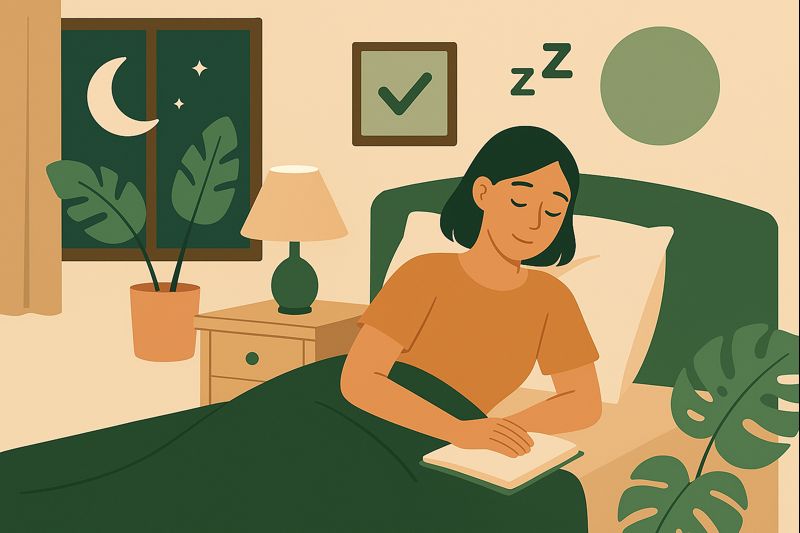
Falling asleep shouldn’t feel like a struggle, yet many people find themselves tossing, turning, or lying awake with a restless mind. While stress, lifestyle, and nighttime habits play a role, one of the most overlooked influences on sleep is the environment itself. Research from the Harvard Medical School, Stanford Sleep Research Center, the Sleep Foundation, the American Psychological Association, and the National Institutes of Health shows that your bedroom’s light, temperature, sound, air quality, and even clutter directly influence how well you sleep.
Your sleep space communicates safety, comfort, and calm—or stimulation, stress, and alertness. Small changes can create a noticeable difference in how quickly you fall asleep, how deeply you rest, and how refreshed you feel in the morning.
This article explores the science behind a sleep-inducing environment and how to transform your bedroom into a sanctuary where your body naturally relaxes and prepares for rest.
Why Your Sleep Environment Matters More Than You Think
The brain is constantly interpreting sensory signals—light, sound, temperature, and even visual clutter. These signals influence melatonin production, cortisol levels, and the nervous system’s ability to shift into “rest mode.”
Stanford researchers emphasize that your surroundings play a major role in circadian rhythm regulation. When the environment supports relaxation, the body follows. When it sends alertness cues, sleep becomes disrupted.
If you’re working on nighttime habits too, you may benefit from: Evening Routines That Promote a Calm Mind.
1. Light: The Most Powerful Sleep Regulator
Light is the master controller of your internal clock. Exposure to bright light suppresses melatonin, while darkness signals the brain to wind down.
Harvard Health reports that even small amounts of indoor lighting can delay melatonin by hours, making it harder to fall asleep and stay asleep.
To create a sleep-inducing light environment:
- Keep lights dim for 1–2 hours before bedtime
- Use warm, amber bulbs instead of bright white or blue light
- Install blackout curtains to block street lights
- Avoid screens before bed or use blue-light filters
If screen habits are interfering with your rest, this guide may help: The Impact of Screen Time on Sleep Quality.
2. Temperature: Cooler Rooms Help You Sleep Deeper
Studies from the Sleep Foundation show that the ideal sleep temperature is typically between 60–67°F (15–19°C). As your body prepares for sleep, your core temperature naturally drops. A cooler room supports this biological process.
Sleeping in a warm environment can cause restlessness, sweating, and fragmented sleep.
Ways to optimize bedroom temperature:
- Use breathable bedding and natural fabrics
- Set the thermostat lower at night
- Use fans or adjust blankets based on the season
- Take a warm shower before bed to trigger a cooling effect afterward
3. Sound: Your Brain Continues Listening While You Sleep
Even when you’re asleep, your brain stays alert to sound changes—a survival mechanism that dates back thousands of years. Sudden noises can pull you out of deep sleep cycles, even if you don’t fully wake.
NIH research shows that consistent background sounds—such as white noise, pink noise, or calming nature sounds—can improve sleep continuity by masking sudden disruptions.
To create a sound-supportive environment:
- Use a white-noise machine or fan
- Try soft nature sounds or gentle ambient music
- Block external noise with earplugs if needed
- Keep your phone silent and away from your bed
If you’re exploring different nighttime auditory environments, you may enjoy: Sound vs. Silence: What Helps People Sleep Better?.
4. Air Quality and Scents: Breathing Well Helps You Rest
Fresh air supports deeper breathing, which calms the nervous system. Poor air quality—dust, dryness, or allergens—can disrupt sleep by triggering congestion or discomfort.
Research also shows that calming scents like lavender can help reduce heart rate and anxiety before bed. A Stanford review found that aromatherapy supports relaxation and improves slow-wave sleep.
To optimize air quality and scent:
- Open windows for fresh air, when possible
- Use an air purifier if allergies are an issue
- Try calming essential oils, such as lavender or chamomile
- Avoid heavy fragrances or strong chemical smells
If calming scents interest you, explore: How Aromatherapy May Support Stress Relief.
5. Bedding and Mattress: Comfort Shapes Sleep Quality
Comfort plays a huge role in how easily you fall asleep and how your body feels in the morning. A mattress that’s too firm or too soft can cause pressure points or back discomfort, both of which disrupt sleep cycles.
According to the Sleep Foundation, supportive bedding reduces nighttime awakenings by improving spinal alignment and reducing physical discomfort.
Consider adjusting your sleep setup:
- Choose pillows that support your sleeping position
- Use breathable sheets that prevent overheating
- Replace mattresses every 7–10 years
- Try weighted blankets for anxiety relief
6. Decluttering: Your Bedroom Should Signal Calm
Visual clutter sends subtle stress signals to the brain, increasing mental load and making it harder to relax. Stanford psychologists note that clutter competes for attention, overstimulating the mind and making it difficult to switch into rest mode.
Simple ways to reduce visual stress in your sleep space:
- Keep surfaces minimal and clean
- Remove unnecessary items from the bedroom
- Use closed storage instead of open piles
- Make your bed each morning to reset the room
If you want a deeper understanding of how your environment affects your mind, read: How Decluttering Your Space Affects Your Mind.
7. Color Psychology: Calming Tones Help Relax the Mind
Colors influence emotion. Research shows that cool, muted tones — such as soft blues, greens, lavenders, and neutrals — promote calmness and relaxation, while bright reds or saturated colors can increase alertness.
You don’t need to repaint your entire room, but small design choices can help shift the mood.
Calming additions include:
- Neutral or soft-colored bedding
- Muted wall art
- Warm-toned lamps
- Natural textures like wood or cotton
8. Electronics: Keeping Them Out of the Bedroom
Phones, TVs, tablets, and laptops send signals of productivity and entertainment — the opposite of rest. Their blue light, notifications, and mental stimulation can keep you awake long after you put them down.
Harvard and APA strongly recommend keeping electronics out of the sleep space whenever possible.
To create a screen-free sanctuary:
- Charge your phone in another room
- Avoid watching TV in bed
- Use analog clocks instead of digital screens
- Replace screen habits with mindfulness or reading
If you’re working on changing nighttime screen habits, this guide can help: The Impact of Screen Time on Sleep Quality.
9. Establish a Consistent Pre-Sleep Routine
Your environment works best when paired with consistent habits. A calming pre-sleep routine teaches your brain to transition from stimulation to rest.
Examples include:
- Journaling before bed
- Gentle stretching or deep breathing
- Reading a calming book
- Drinking herbal tea
For a routine built to calm the mind, explore: How Journaling Before Bed Can Relax Your Mind.
10. Personalize Your Sleep Sanctuary
Your bedroom should make you feel safe, grounded, and comforted. Think about what helps you feel at ease — softness, quietness, warmth, or spaciousness — and design your environment around those needs.
More ideas include:
- Soft lighting that mimics a sunset
- A calming scent you associate with bedtime
- Minimal noise and visual distractions
- Textures that feel cozy and relaxing
How Your Sleep Environment Influences Mental Health
Restful sleep supports cognitive clarity, emotional regulation, stress resilience, and overall mood. When your sleep environment is peaceful, your mind is more likely to enter restorative stages of sleep, especially slow-wave and REM phases.
Poor sleep environments contribute to:
- Increased irritability
- Brain fog
- Higher anxiety levels
- Difficulty concentrating
If brain fog affects your mornings, you may benefit from reading: Brain Fog Explained: Causes & Relief.
Final Thoughts
Creating a sleep-inducing environment doesn’t require major renovations — small, intentional changes can transform your nights. By adjusting light, temperature, sound, air quality, bedding, and nighttime habits, you send powerful signals to your brain that it’s safe to relax and drift into deep, restorative sleep.
Your bedroom should feel like a sanctuary — a space that supports your well-being, quiets your mind, and helps your nervous system settle after a long day.
More Sleep Wellness Resources:
Sleep Hygiene Tips for a More Restful Night
Sound vs. Silence: What Helps People Sleep Better?
For people who care too much
A five-minute refresh, every day.
If this gave you a moment of calm, MindBloom Pro sends ten small positive things to your dashboard each morning — chosen for the family life you're actually living.


Discussion
Comments
Sign in to join the conversation.
Sign inLoading comments…