


Table of contents23 sections · tap to expandShowHide
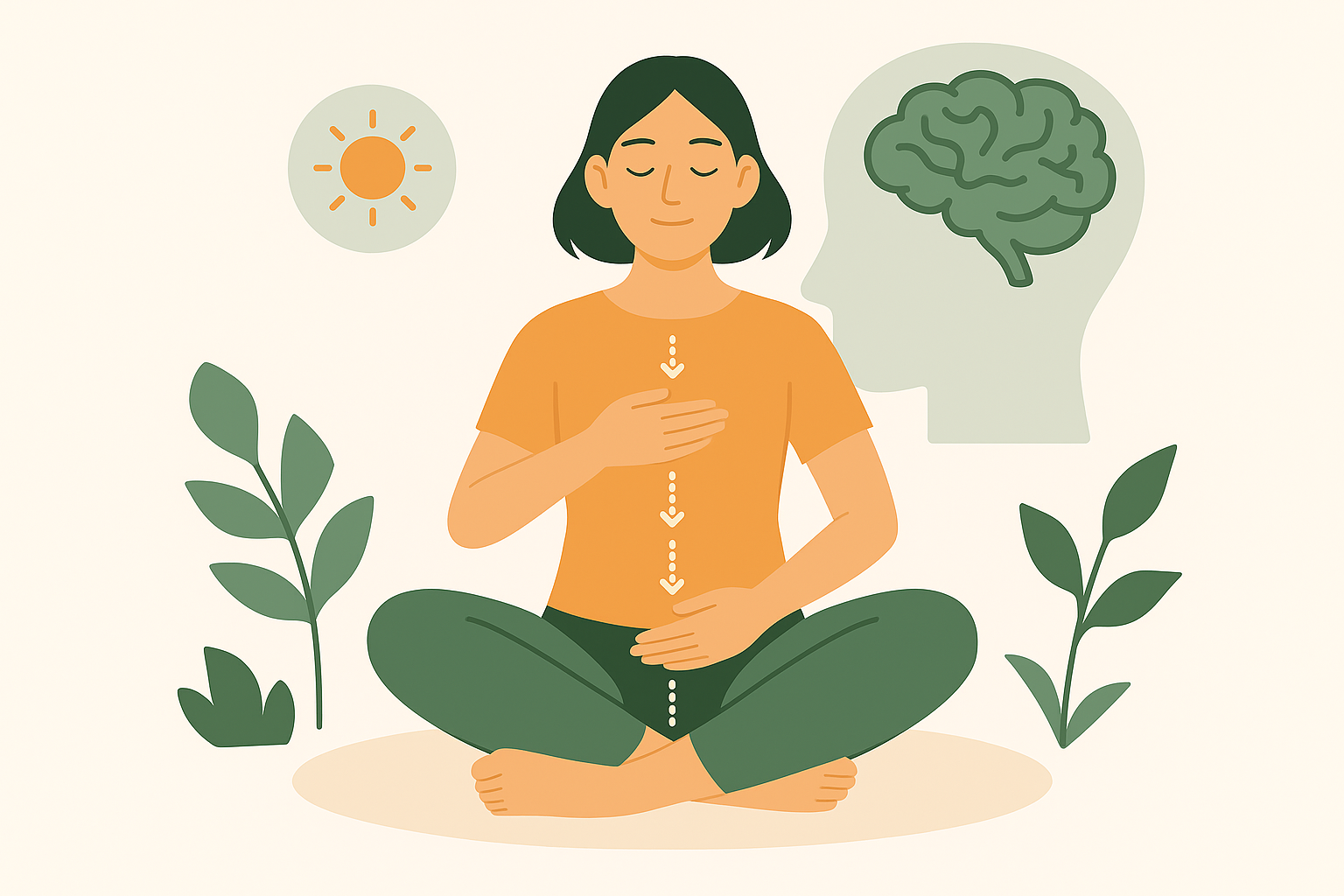
Body scan meditation is one of the most widely researched mindfulness practices for reducing stress, improving emotional awareness, and calming the nervous system. Unlike practices that focus on thoughts or visualization, body scan meditation brings attention gently and systematically through physical sensations in the body. Research from Harvard Medical School, the American Psychological Association, the National Institutes of Health, and Stanford University shows that body scan meditation improves emotional regulation, lowers stress hormones, and strengthens mind–body awareness.
Rather than trying to relax the body directly, the body scan works by increasing awareness. When attention meets sensation without judgment, the nervous system naturally shifts toward balance and calm.
If you are building a foundation in mindfulness, you may also find this helpful:
What Is Mindfulness and How to Start?
What Is Body Scan Meditation?
Body scan meditation is a structured mindfulness practice in which attention is guided through different areas of the body, usually from head to toe or toe to head. The goal is not to change sensations, but to notice them.
During a body scan, you may notice:
- pressure or warmth
- tightness or ease
- tingling or numbness
- areas of tension or relaxation
By observing physical sensations without reacting, the brain learns to reduce automatic stress responses.
The Science Behind Body Scan Meditation
Body scan meditation works by engaging interoception—the brain’s ability to sense internal bodily signals. Stanford neuroscience research shows that interoceptive awareness is closely linked to emotional regulation and stress resilience.
When attention is placed on bodily sensation, activity decreases in the amygdala (the brain’s threat center) and increases in the prefrontal cortex, which governs regulation and awareness.
In simple terms, body scan meditation teaches the brain to observe instead of react.
How Body Scan Meditation Calms the Nervous System
Chronic stress keeps the nervous system in a heightened state of alert. Body scan meditation activates the parasympathetic nervous system, which supports rest, digestion, and recovery.
Harvard research shows that sustained body awareness lowers heart rate, reduces muscle tension, and improves heart rate variability—a key marker of nervous system health.
This is why body scans are commonly used in stress reduction programs and trauma-informed mindfulness practices.
Body Scan vs Other Meditation Styles
Unlike breath-focused meditation, which uses respiration as an anchor, body scan meditation uses physical sensation. This makes it especially helpful for people who find focusing on the breath difficult or triggering.
Compared to visualization-based meditation, body scan is grounded in direct sensory experience, making it accessible and practical.
To explore different meditation styles, see:
Guided vs. Silent Meditation: Which Is Best?
Why Body Scan Meditation Improves Emotional Awareness
Emotions often show up first in the body—as tightness in the chest, heaviness in the stomach, or tension in the jaw. Body scan meditation helps you notice these signals early.
APA research shows that increased body awareness improves emotional labeling and reduces emotional reactivity.
By noticing sensations without judgment, you create space between feeling and reaction.
Body Scan Meditation and Overthinking
Overthinking pulls attention into mental loops. Body scan meditation brings attention back into physical experience.
This shift reduces default mode network activity—the brain system associated with rumination and self-criticism.
If overthinking is a challenge for you, explore:
The Psychology of Overthinking — And How to Manage It
How to Practice Body Scan Meditation
Step 1: Settle the Body
Lie down or sit comfortably. Allow the body to be supported by the surface beneath you.
Step 2: Begin with the Breath
Take a few natural breaths to settle attention.
Step 3: Move Attention Gradually
Bring awareness to one body part at a time—for example, the feet—then slowly move upward.
Step 4: Notice Sensations
Observe whatever sensations are present without trying to change them.
Step 5: Gently Redirect Attention
When the mind wanders, gently return attention to the body.
Common Sensations During a Body Scan
Every experience is different. You may notice:
- areas of numbness
- subtle sensations
- strong tension
- emotional release
All experiences are valid. There is no “right” sensation.
Using Body Scan Meditation for Stress Relief
Body scan meditation is especially effective for reducing accumulated stress.
NIH research indicates that regular body scan practice lowers cortisol levels and improves perceived stress scores.
This makes it ideal for evening routines or recovery periods.
Related reading:
Evening Routines That Promote a Calm Mind
Body Scan Meditation and Sleep
Body scan meditation is commonly used to improve sleep quality. By guiding attention away from mental chatter and into the body, it helps prepare the nervous system for rest.
Many sleep programs recommend body scans as a pre-sleep practice.
Explore more sleep strategies here:
Sleep Hygiene Tips for a More Restful Night
Body Scan Meditation for Anxiety
Anxiety often involves heightened bodily awareness paired with fear. Body scan meditation teaches neutral observation instead of alarm.
This reduces the feedback loop between bodily sensation and anxious thought.
For anxiety-focused techniques, see:
Breathing Patterns to Calm an Anxious Mind
How Long Should a Body Scan Be?
Body scan meditations can range from 5 minutes to 45 minutes. Short scans are effective for daily use, while longer scans deepen awareness.
Consistency matters more than duration.
Integrating Body Scan into Daily Life
You can use body awareness informally throughout the day:
- noticing posture while working
- scanning for tension during breaks
- checking in with physical sensations during stress
These micro-moments reinforce the practice.
Common Challenges with Body Scan Meditation
It is normal to experience:
- restlessness
- sleepiness
- wandering thoughts
- impatience
These are not failures—they are part of training attention.
Body Scan Meditation and Mental Clarity
By reducing internal noise and improving awareness, body scan meditation supports mental clarity and focus.
It is often used in the morning to set a calm baseline for the day.
Related reading:
Mental Clarity Morning Routine
Body Scan Meditation and Self-Compassion
Noticing the body with kindness fosters self-compassion. Instead of judging sensations as good or bad, you learn to meet experience with acceptance.
Stanford research links body-based mindfulness to increased emotional self-support.
Who Benefits Most from Body Scan Meditation?
Body scan meditation is especially helpful for people who:
- experience chronic stress
- struggle with overthinking
- feel disconnected from their body
- want a gentle, accessible meditation practice
Final Thoughts
Body scan meditation is a simple yet powerful way to reconnect with the body, calm the nervous system, and cultivate emotional awareness. It does not require forcing relaxation—only attention.
By practicing body scan meditation regularly, you train the brain to respond with awareness rather than reactivity. Over time, this practice builds resilience, clarity, and a deeper sense of presence in daily life.
More mindfulness tools from MindBloomDaily:
Grounding Exercises for Daily Use
Using Breath to Anchor the Mind
For people who care too much
A five-minute refresh, every day.
If this gave you a moment of calm, MindBloom Pro sends ten small positive things to your dashboard each morning — chosen for the family life you're actually living.



Discussion
Comments
Sign in to join the conversation.
Sign inLoading comments…